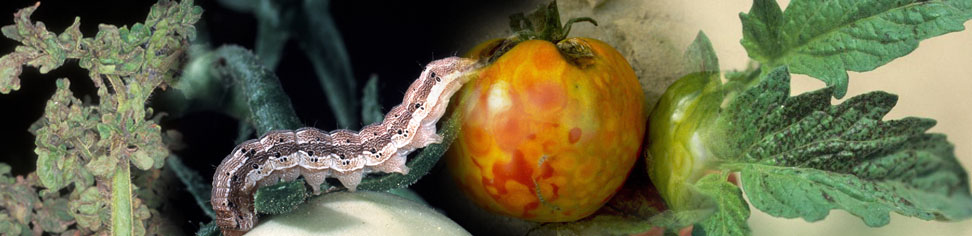
Corn earworm moth numbers in pheromone traps are increasing substantially in many part of the state this week. This represents the movement of corn earworm out of field corn to other crops like soybeans and cotton. In 2025, we established a network of pheromone traps throughout the state with the help of our excellent Virginia Cooperative Extension Agents. Trap data is updated daily and can be found here. Use this tool to monitor moth flights in and around your area and plan your scouting efforts accordingly.
Fortunately, most, if not all, of our cotton is protected from bollworm injury by the Vip3A Bt toxin. While we do have widespread resistance to older Cry (e.g. found in Bollgard 2, Widestrike 2) toxins, we have no evidence suggesting Vip3A (e.g. found in Bollagrd 3, Widestrike 3) resistance development in our area. You may still find bollworm eggs or neonate larvae in cotton, but they will not successfully feed or develop on these varieties.
Soybeans should be scouted regularly for corn earworm activity as they leave corn, particularly in beans that have started developing pods. The economic threshold for corn earworm is dynamic, so it changes slightly based on the current price of beans, costs of control, etc. The threshold calculator can be found here. It is also important to consider what to spray if you do reach the economic threshold. Pyrethroid insecticides (e.g. Warrior II, Bifenthrin) are not effective, especially for large larvae.
As always, please contact me with any specific questions.
btim2@vt.edu, 757-621-8804