A Sorghum Field Tour will take place at the Tidewater AREC (1045 Hare Road, Suffolk, VA, 23437) on Aug 16. Presentations include biomass sorghum planting date, seeding rates, and nitrogen fertilization. Talks on bioenergy sorghums will also cover feedstock logistics, processing technologies, and economics. Hybrids of grain and biomass sorghums will be presented. The flyer for this event is here Sorghum Tour. If planning to attend, please call (757-807-6538) or email (mbalota@vt.edu) by August 13.
Sweetcorn IPM Moth Trapping in Virginia and Stink Bug Problems – Week Ending Aug 3, 2018
Corn earworm moth activity has increased in several Virginia locations this week including: Virginia Beach with some traps averaging over 20 moths per night, Hanover County with 16.6 moths per night, and Page County with 10.9 moths per night. A trap catch exceeding 16 moths per night is quite high and control measures in sweet corn are recommended at short intervals 2-3 days apart (See table below for the trap catch data).
In addition to corn earworm, fall armyworm is another important Lepidopteran “worm” pest that attacks sweet corn. So far, very few moths have been caught in traps around Virginia, but the some late-planted sweet corn on the Eastern Shore has gotten fall armyworms in the early whorl stage corn, where a lot of damage can occur. In addition to corn earworm and fall armyworm, the invasive brown marmorated stink bug (BMSB) has occurred in large numbers in some sweet corn fields, including Virginia Beach. The picture below is from Helene Doughty. BMSB can feed through the husk and damage multiple kernels, reducing the quality of the produce. To learn more about BMSB biology, pest threat and management in vegetable crops, click on the following link (pdf) BMSB-in-Vegetables-English
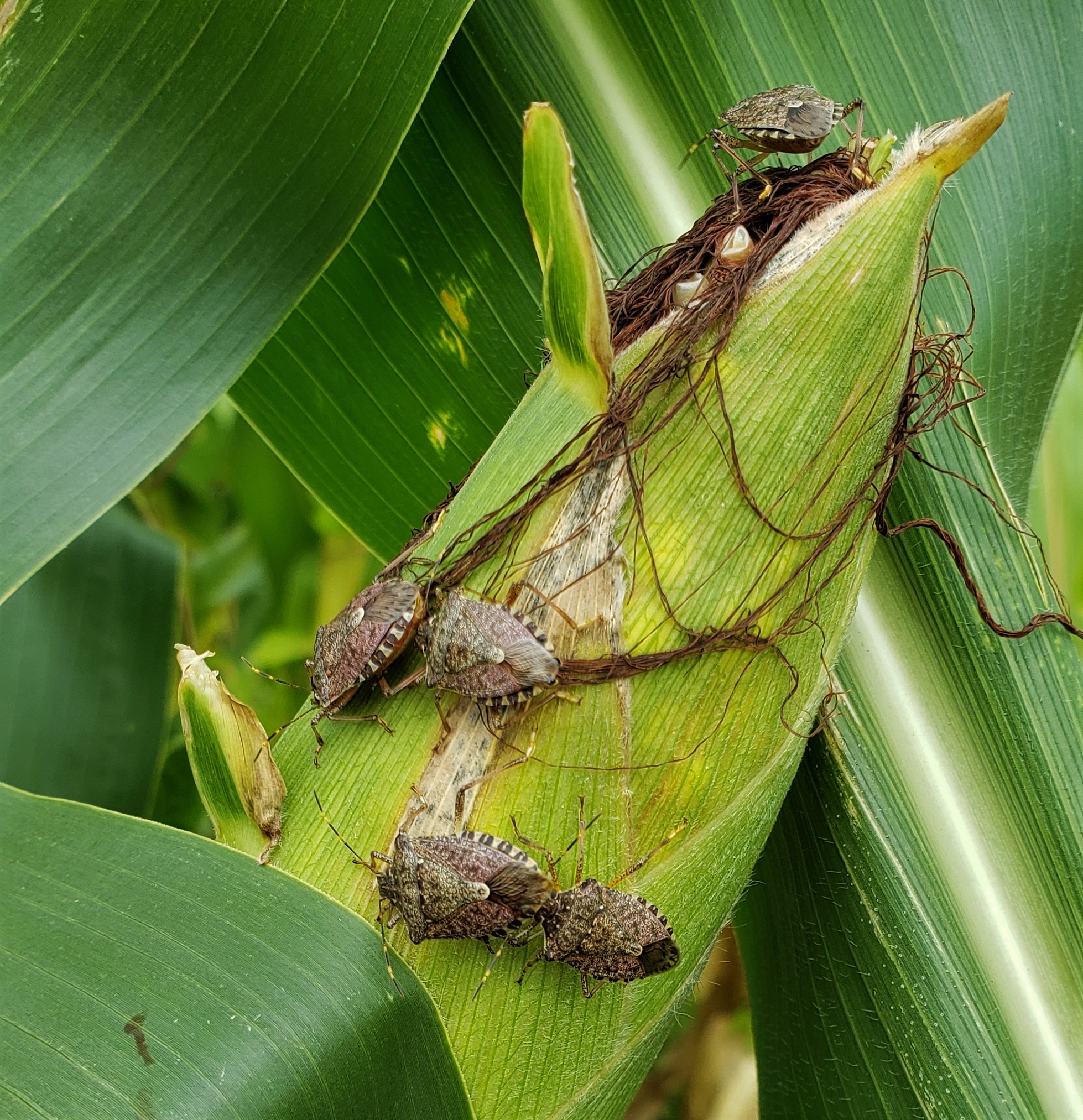
Brown marmorated stink bugs on sweet corn in Virginia Beach. Photo by Helene Doughty (ESAREC).
I’d like to acknowledge the 14 VCE agents that are monitoring moth pests on sweet corn farms in 17 different counties in Virginia: Phil Blevins (Washington Co.); Chris Brown (Franklin Co.); Jason Cooper (Rockingham Co.); Ursula Deitch (Northampton Co.); Helene Doughty (Accomack Co.); Roy Flanagan (VA Beach); Bob Jones (Charlotte Co.); Kenner Love (Page and Rappahannock Co.); Laura Maxey Nay (Hanover Co.); Steve Pottorff (Carrol Co.); Stephanie Romelczyk (Westmoreland Co.); Beth Sastre-Flores (Loudoun Co.); Laura Siegle (Amelia Co.); Rebekah Slabach (Halifax Co.); and Mark Sutphin (Frederick Co.).
Here are some trap catch results (moths per night) for some of the locations around Virginia for this week (note we are missing a lot of data this week from some locations):
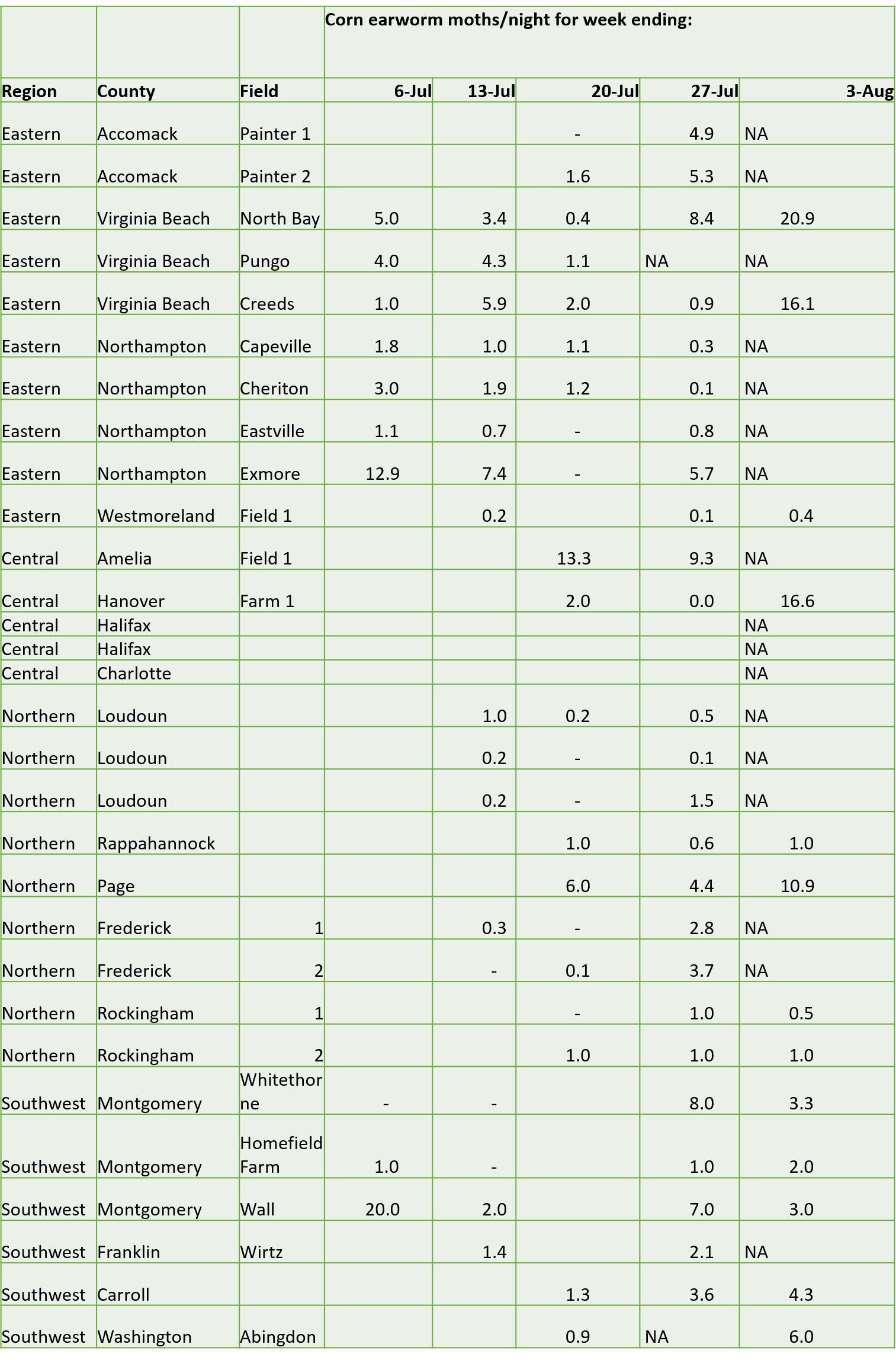
Corn earworm moth catch at sweet corn fields in Virginia in 2018
Same trap catch data can be found here:
Black light trap and vial test update for August 2, 2018
Corn earworm moth captures in black light traps continued to climb this week–please see the attached table (pdf document) for more details: BLT_2_Aug_2018
We have tested 246 corn earworm moths in our vial tests this season, with an average of 15% surviving a 24-hour exposure to the pyrethroid insecticide cypermethrin at 5 micrograms per vial. The line graph is available here: vial_tests_2_Aug_2018
At our research farm in Suffolk this week, we have been finding bollworm eggs in cotton terminals with some small larvae on squares and bolls. Please be sure to scout your fields!
2018 survey of field corn for corn earworm larvae
Statewide, approximately 18% of ears were infested with corn earworm larvae. Corn is considered a nursery crop for corn earworm, allowing the pest to complete a lifecycle and then move on to other crops such as soybean, cotton, and peanut in August. There is a linear correlation between the infestation level in corn and the amount of soybean acreage that gets treated with insecticide for this pest. Please see the attached pdf for more details: CEW_survey_results_2018
Virginia Peanut Field Tour
A Peanut Tour will take place at the Tidewater AREC (1045 Hare Road, Suffolk, VA, 23437) on Aug 15. Presentations include precision irrigation and crop stress sensing, weed control and tank mixes, and disease and insect management. Meetings with the new Extension Agents in the Southeastern region will be facilitated. A new rotary peanut harvester by AMADAS will be displayed. The flyer with more details is here. Aug 15_Flyer(5) Please do not forget to call (757-807-6538) or email (mbalota@vt.edu) if you plan to attend. Hope to see you soon!
Sweet corn IPM – Moth Trap Catch in Virginia – Week Ending July 27, 2018
We’ve seen a jump in corn earworm moth activity this week in many sweet corn fields around Virginia with high levels being reported all around the state, specifically Virginia Beach, Accomack, Northampton, Amelia, Frederick, Page, Montgomery, and Carroll Counties. Fall armyworm moths are also being monitored with bucket traps and very little activity has been observed throughout Virginia.
A catch of >1 or >13 corn earworm moths per night means moderate and high pest pressure, respectively, and a more frequent spray interval is justified.
A big thank you to the 14 VCE agents that are monitoring these pests on sweet corn farms in 17 different counties in Virginia: Phil Blevins (Washington Co.); Chris Brown (Franklin Co.); Jason Cooper (Rockingham Co.); Ursula Deitch (Northampton Co.); Helene Doughty (Accomack Co.); Roy Flanagan (VA Beach); Bob Jones (Charlotte Co.); Kenner Love (Page and Rappahannock Co.); Laura Maxey Nay (Hanover Co.); Steve Pottorff (Carrol Co.); Stephanie Romelczyk (Westmoreland Co.); Beth Sastre-Flores (Loudoun Co.); Laura Siegle (Amelia Co.); Rebekah Slabach (Halifax Co.); and Mark Sutphin (Frederick Co.). Here are some trap catch results (moths per night) for some of the locations around Virginia for this week (note we do not have data for all locations yet):
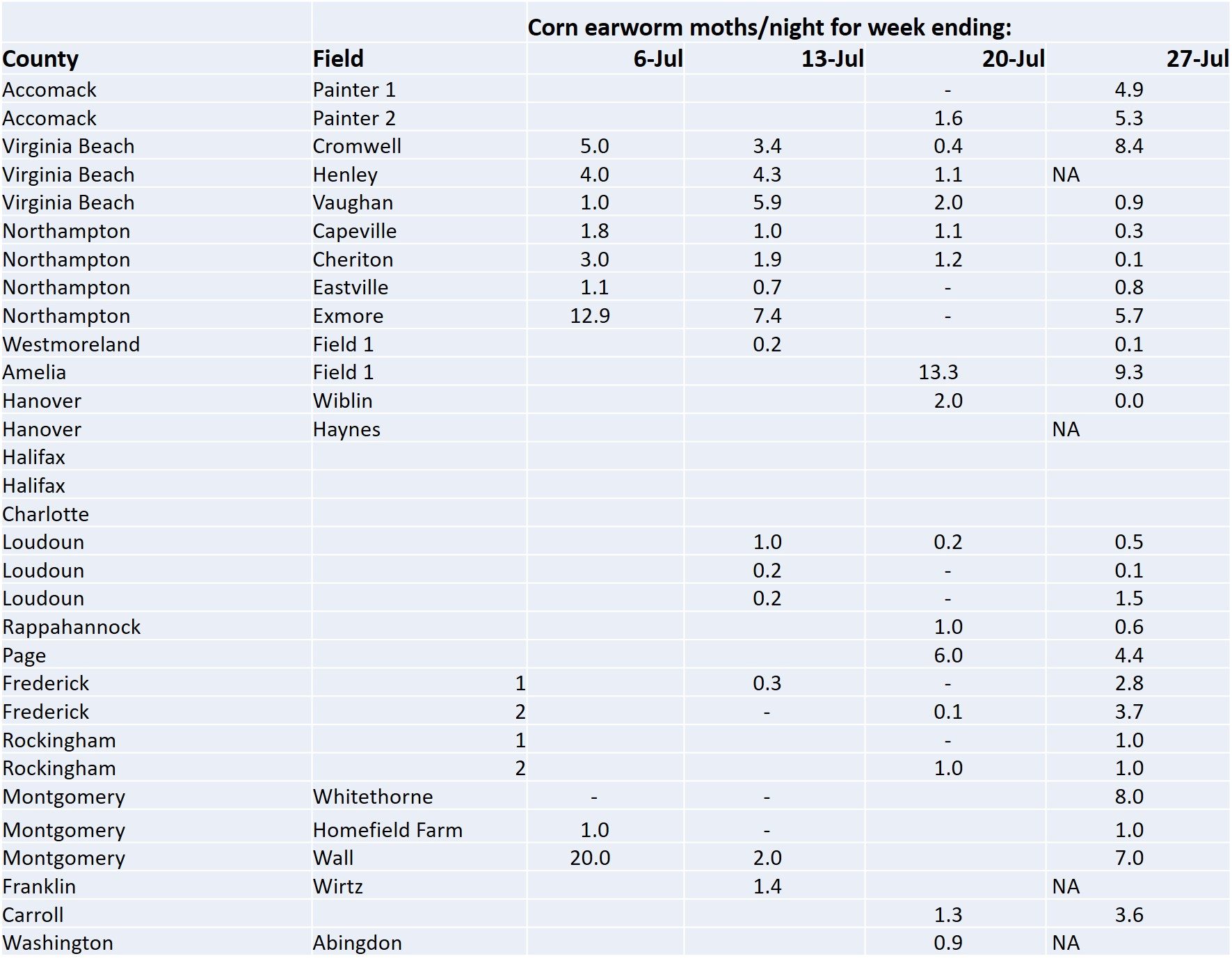
Corn earworm moth catch in VA for week ending – July 27, 2018.
Corn earworm moth report for July 26, 2018
Black light trap captures of corn earworm moths in Suffolk really jumped this week, averaging 30 per night (some nights when it wasn’t raining went up to 78). Other locations (Chesapeake, Isle of Wight, Prince George/Templeton, Prince George/Disputanta, Warsaw, and Southampton) averaged only about 1 moth per night this week.
mid-season cotton insect managment
Plant bugs continue to be a problem in some Virginia fields with ¼ of those scouted by the entomology team above threshold for the first two weeks of bloom. In anticipation of the upcoming bollworm flight, Monsanto sponsored a meeting last week at the TAREC to discuss mid-season insect management in cotton. Here is a summary of our discussion:
- For 2 gene cotton (Widestrike, Bollgard II, Twinlink): scouting for eggs is recommended. Sample 100 terminals and leaves. Aim for 10 in 10 locations in the field. If you find 25 eggs, spray an insecticide. I recommend Prevathon unless stink bugs or plant bugs are an issue in your field. In that case, use Besiege. Bollworm (Helicoverpa zea aka corn earworm) and tobacco budworm (Heliothis virescens) eggs are indistinguishable and budworms are 100% controlled by Bt cotton. There is some risk that you are spraying unnecessarily. Very low numbers (<3%) of larvae sampled in non-Bt cotton were budworms in 2016 and 2017.
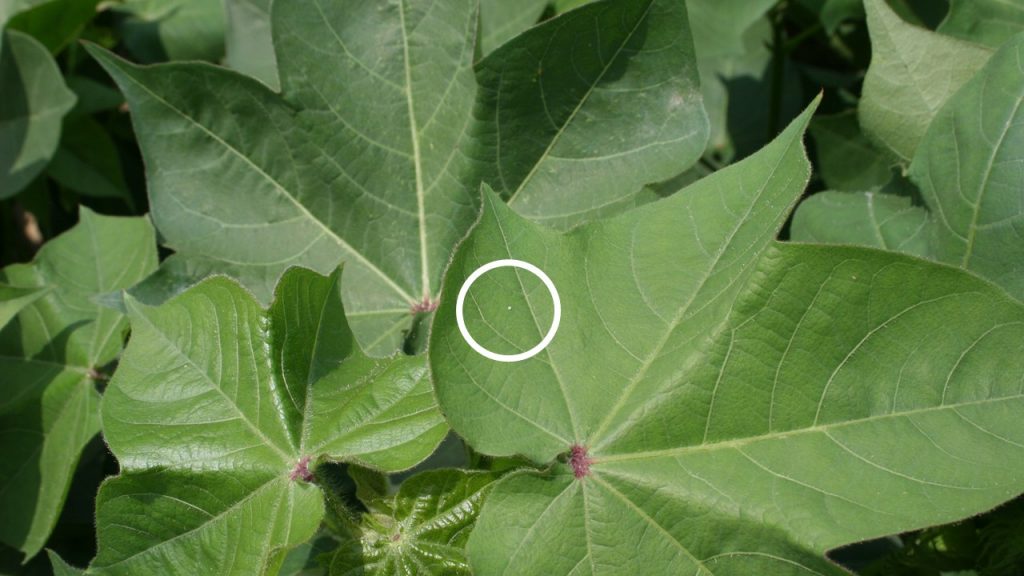
- For 3 gene cotton (Widestrike 3, Bollgard III, and Twinlink Plus): scouting for 2nd stage larvae (1/8″ or larger) is recommended. This gives in-plant toxins time to kill small worms. Sample 100 bolls, blooms, and/or squares. Aim for 10 in 10 locations per field. If you find three larvae in one trip, two larvae in two consecutive trips (two larvae in each trip), or one larva in three consecutive trips (one larva in each trip), spray insecticides. I do not anticipate damage in 3 gene cotton unless we have very high pressure.
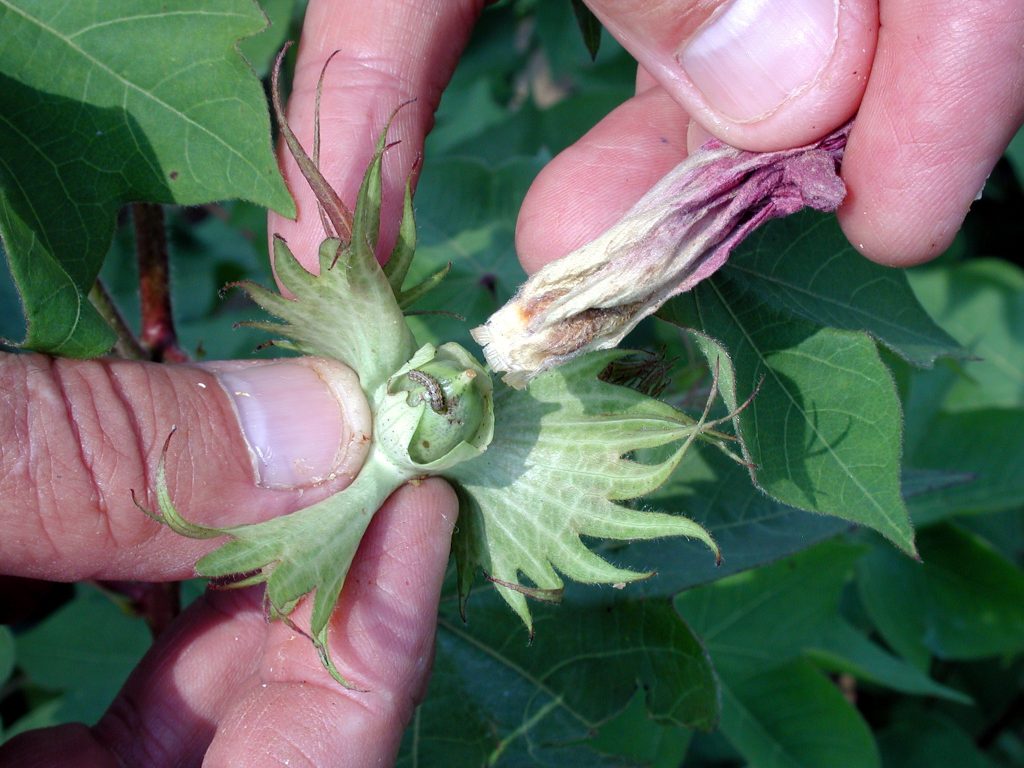
- Pyrethroids have performed poorly in cotton in 2016 and 2017 tests (15-50% control). I think that pyrethroids are too risky in cotton. Some growers are satisfied with the control that they have been achieving. Last year, worm specific products ran out in some Virginia locations. I recommend Steward as an alternative to Prevathon and Besiege for bollworm control in cotton.
- Weekly scouting is recommended for all pests. Bollworm eggs hatch fast (2-3 days) and worms cannot be controlled by any product once they are inside of the boll.
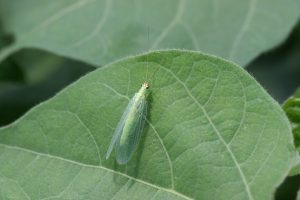
- Spray bugs only at threshold. Bloom threshold for plant bugs is 2-3 per drop cloth sample. For stink bugs, use damaged fruit thresholds: Week of bloom 1 = 50% internal boll damage; week 2 = 30%; weeks 3, 4 and 5 = 10%; week 6 = 20%; week 7 =30%; week 8 = 50%. About a dozen beneficial insects are common in Virginia cotton. Ambush bugs, big-eyed bugs, minute pirate bugs, green lacewings, two species of ladybird beetles, and several types of spiders are examples. They are of two types: 1) predators that prey upon an insect pest (see examples below), or 2) parasites that live within the host insect. These insects, particularly the predators, reduce the number of eggs and larvae of bollworms, plant bug nymphs and aphids. Because these allies lessen the impact of pest insects, common sense dictates that producers use them as a management tool. Their presence often means that growers can delay and, on occasion, eliminate some insecticide applications. However, the rapid increase in pest populations will often overwhelm the beneficial population and applications become necessary. Do not hesitate to spray pest insects at recommended thresholds.
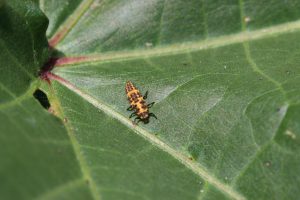
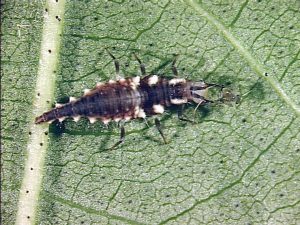
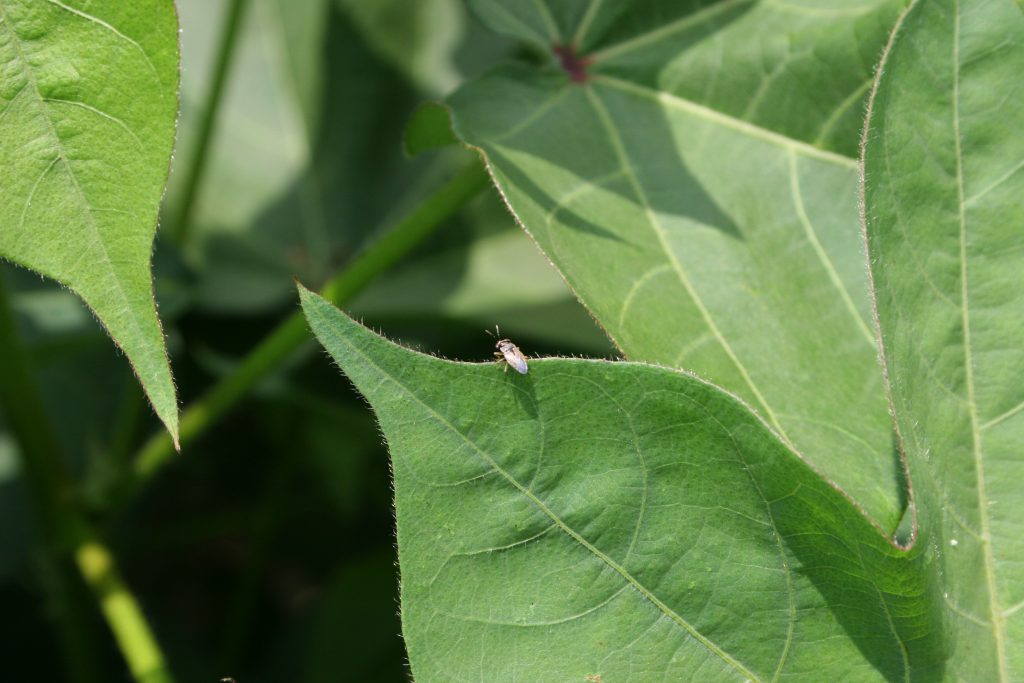
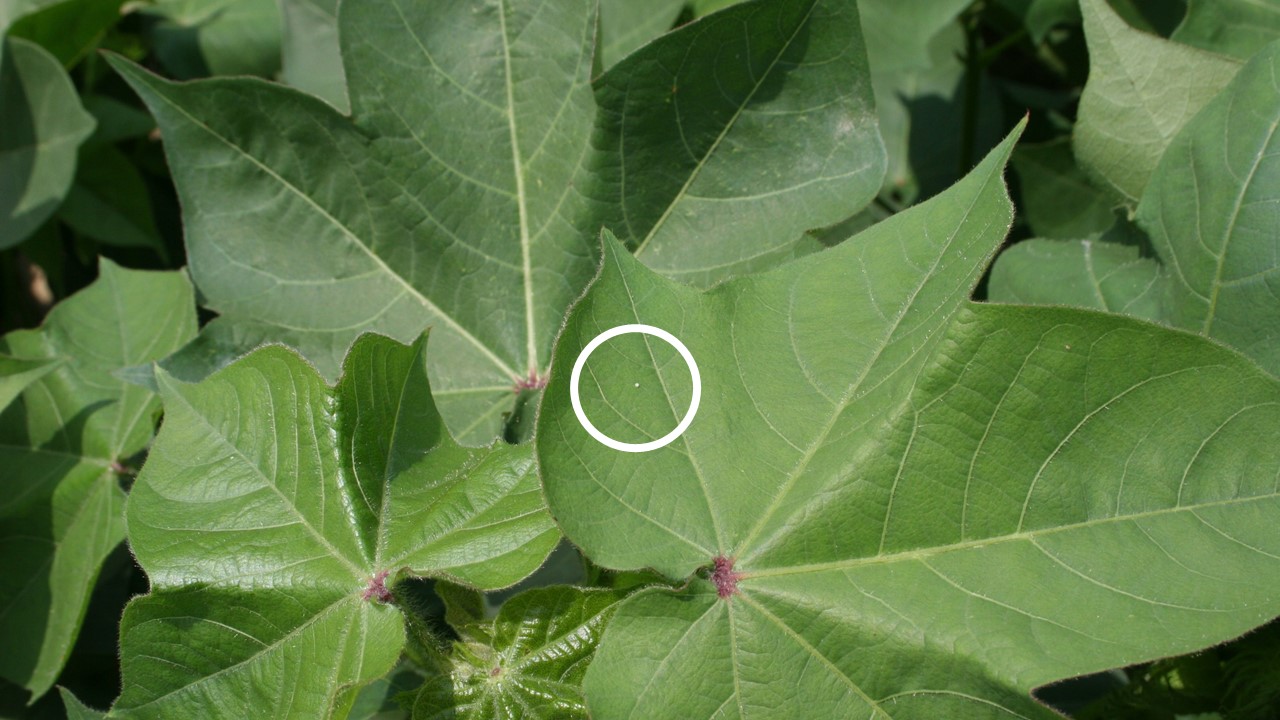
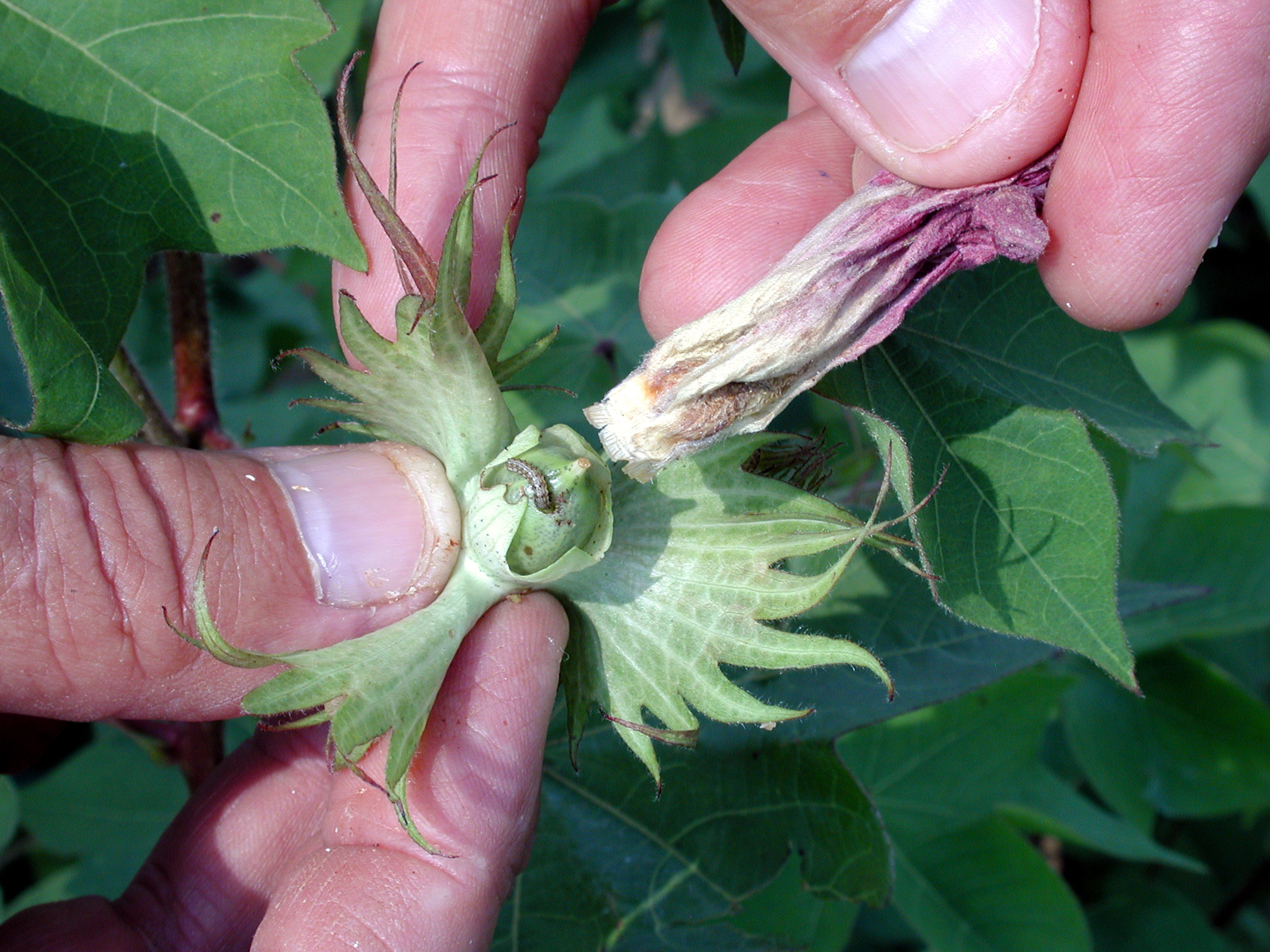
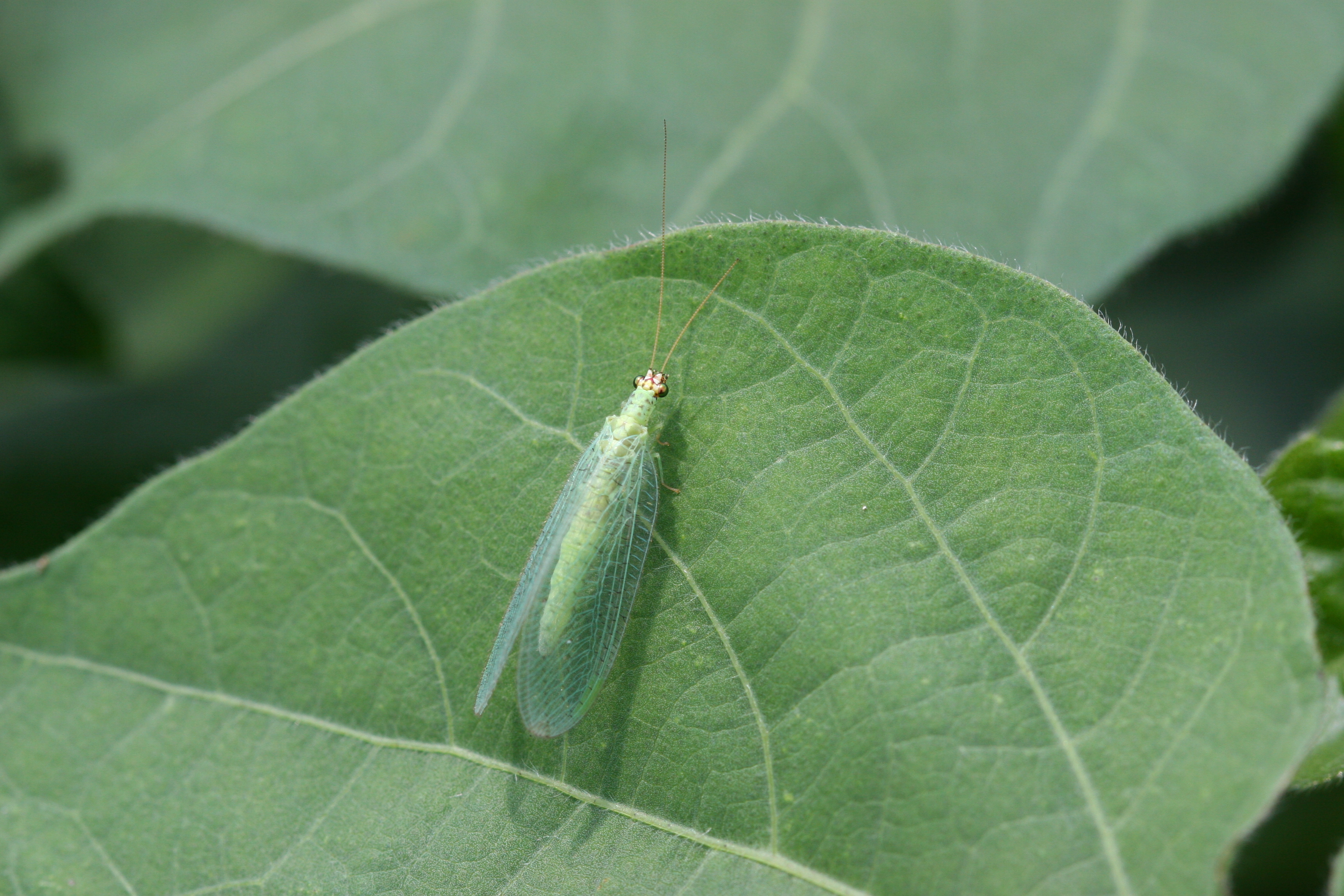
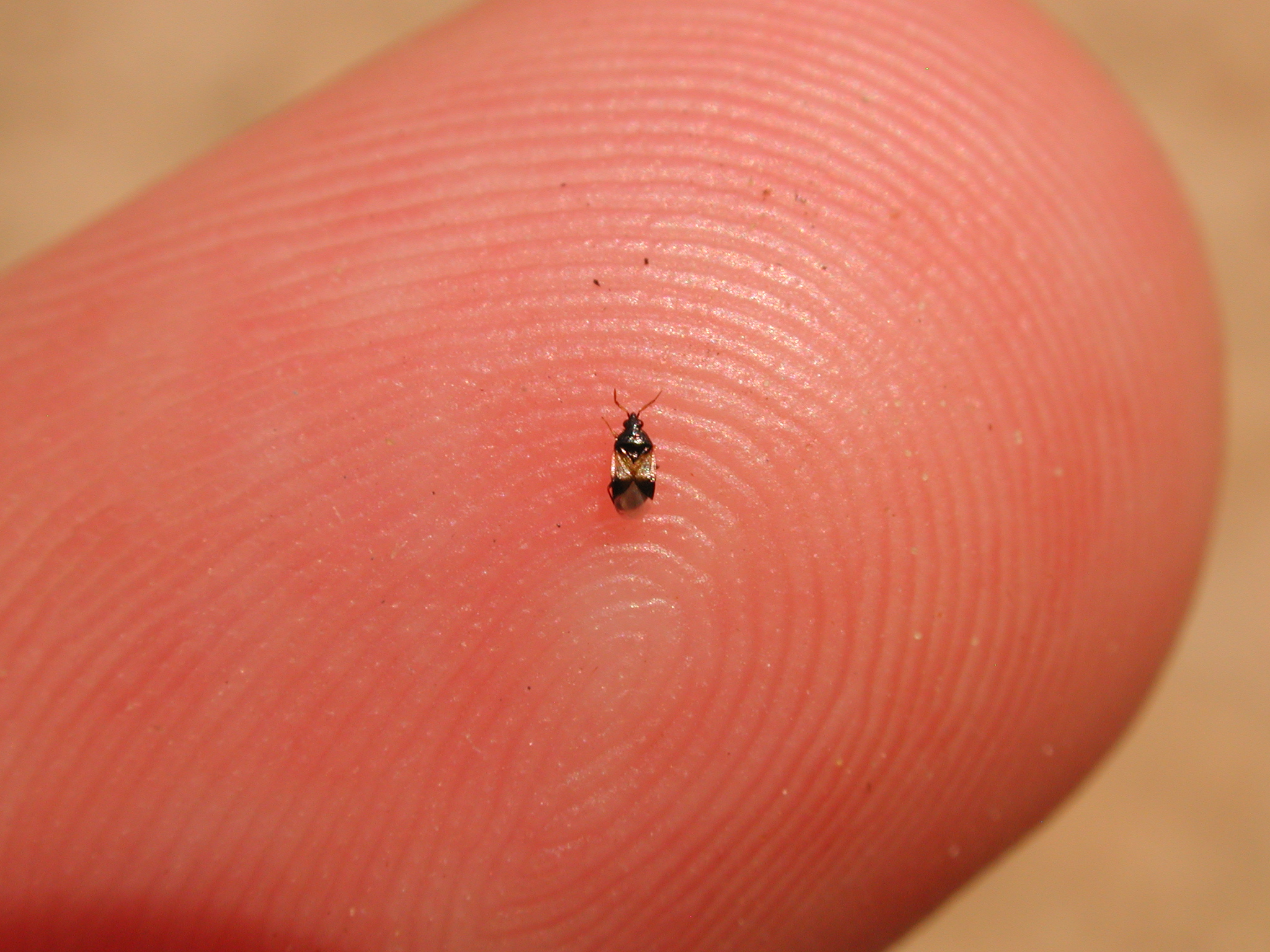
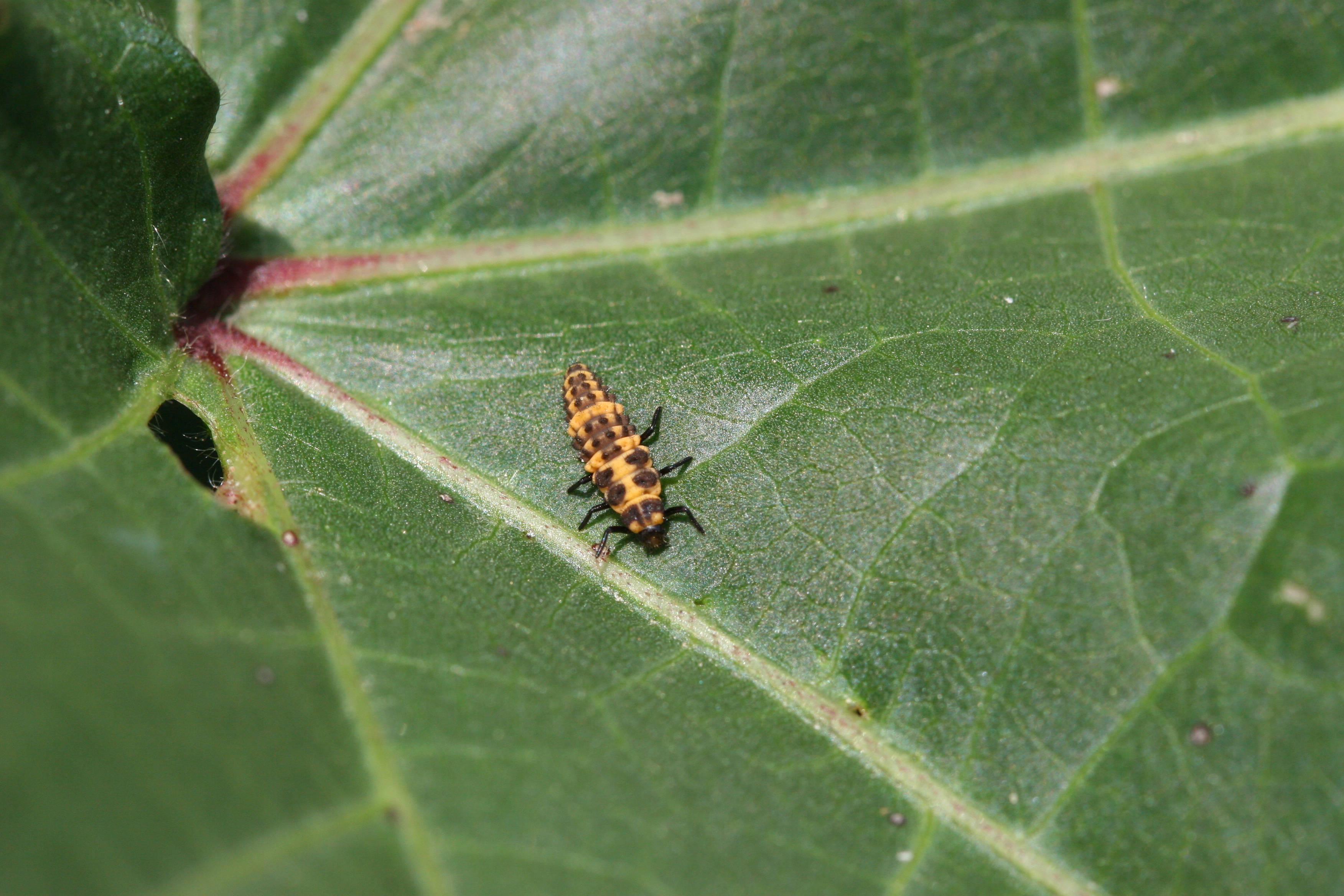
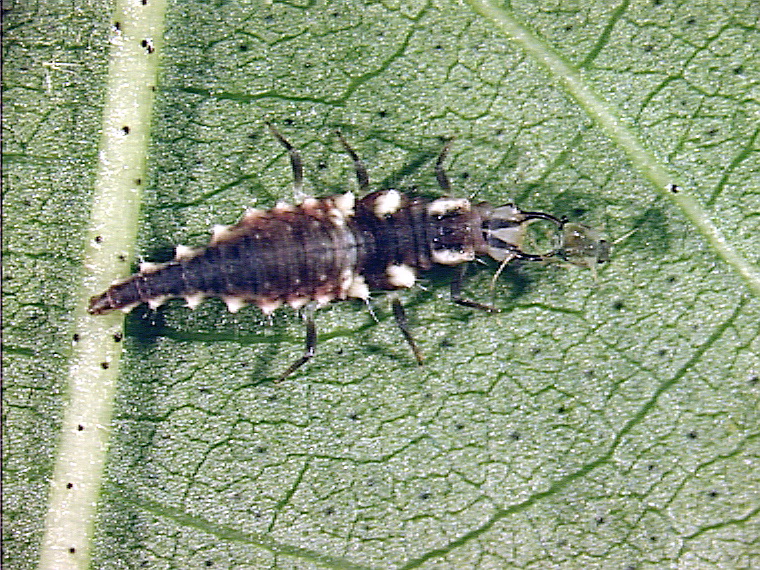
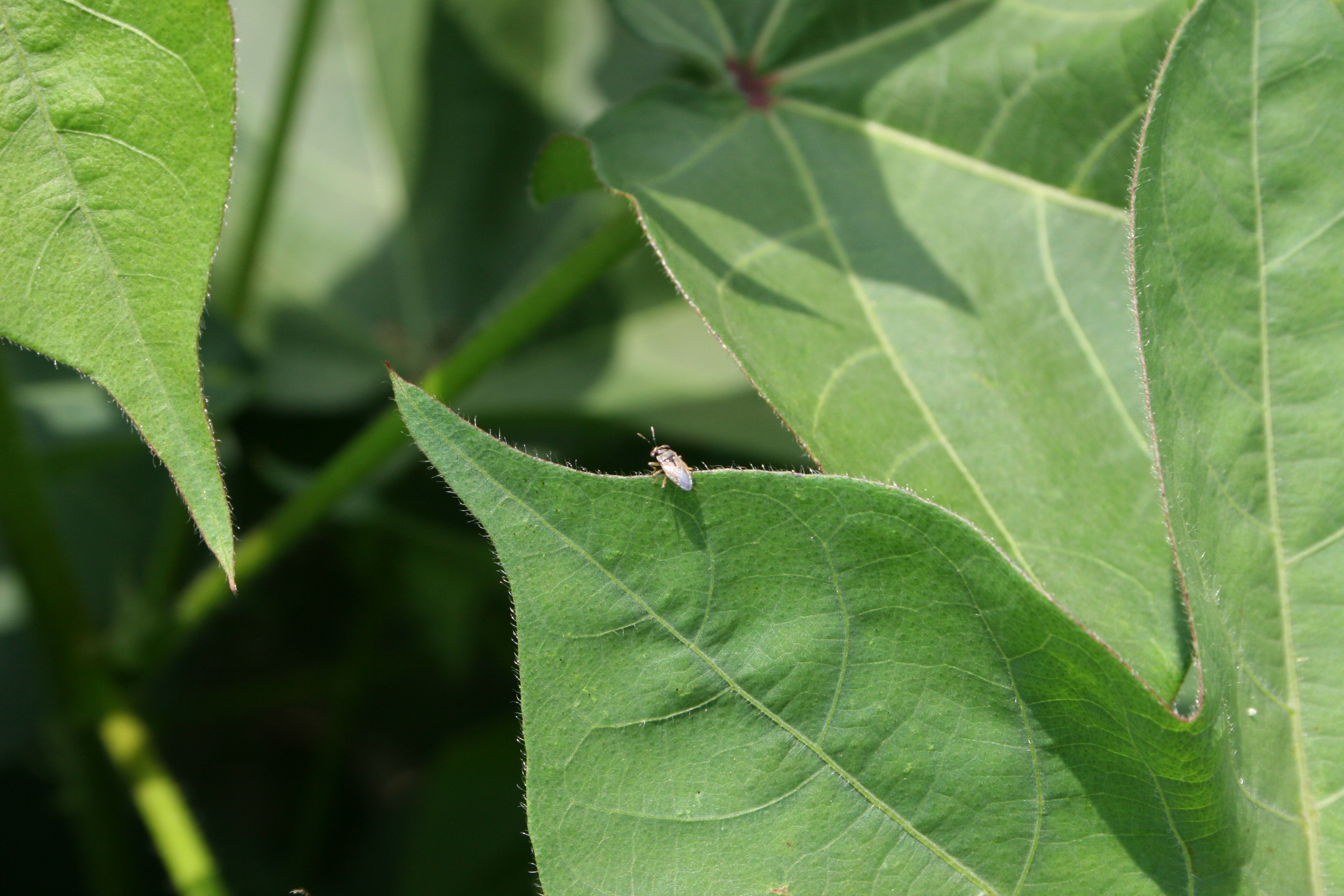
A big thank you to Seth Dorman and his scouting crew and to Glenn Roundtree for initiating and organizing our recent pest management discussion.
Sweet corn IPM Scouting – Week Ending July 20, 2018
Moth trap monitoring
We are monitoring corn earworm and fall armyworm moth activity levels on sweet corn farms in 17 different counties in Virginia. Moth Trap Catch Data are being recorded by: Kuhar Vegetable Entomology lab (Montgomery Co.); Phil Blevins (Washington Co.); Chris Brown (Franklin Co.); Jason Cooper (Rockingham Co.); Ursula Deitch (Northampton Co.); Helene Doughty (Accomack Co.); Roy Flanagan (VA Beach); Bob Jones (Charlotte Co.); Kenner Love (Page and Rappahannock Co.); Laura Maxey Nay (Hanover Co.); Steve Pottorff (Carrol Co.); Stephanie Romelczyk (Westmoreland Co.); Beth Sastre-Flores (Loudoun Co.); Laura Siegle (Amelia Co.); Rebekah Slabach (Halifax Co.); and Mark Sutphin (Frederick Co.). Data are posted weekly.
Trap Catch
Below are some trap catch results (moths per night) for some of the locations around Virginia for this week. In summary, we are observing a slight drop off in corn earworm moth activity at most locations, except Amelia County, which posted the highest corn earworm activity this week. Very little fall armyworm activity has been observed at this point, and numbers are so low that they are not presented.

Corn earworm black light trap report for July 19, 2018
Corn earworm moth captures in Virginia black light traps ranged from zero to 2 per night this week. Watson Lawrence in Chesapeake averaged 1 moth per night; LIvvy Preisser in Isle of Wight had 0.6 per night; Scott Reiter reported zero in Prince George (Templeton) and 0.5 per night in Disputanta. Mary Beahm in Warsaw saw 0.1 corn earworm moths per night; and in Suffolk we caught an average of 2.1 per night. We look forward to Dwayne Sanders’ help with operating a trap in Waverly!
In 2017, black light trap captures of corn earworm moths started to spike in the third week of July. Please check back for next week’s report!