
The 2017 Virginia Tech Small Grain Variety performance results have been posted.
A copy of the document is available at the following link:
http://www.grains.cses.vt.edu/Testing_results/Small_grains/2017/SG_17_2.pdf
The 2017 Virginia Tech Small Grain Variety performance results have been posted.
A copy of the document is available at the following link:
http://www.grains.cses.vt.edu/Testing_results/Small_grains/2017/SG_17_2.pdf
Kudzu bug has been spotted above threshold (1 nymph per sweep – use at least 15 sweep samples in multiple parts of the field) in south central Virginia and in parts of central North Carolina. Kudzu bugs typically move into soybean in July-August in our state. Distribution surveys conducted by the entomology department in 2016 showed that kudzu bug are present in many soybean growing regions of our state.
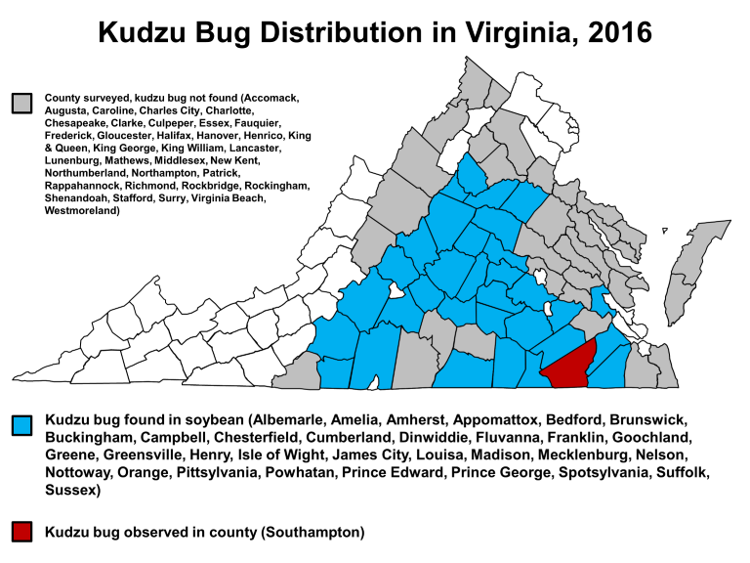
Please consider the following information before making the decision to spray for this pest.
I’ll keep you posted on what we are seeing in soybean throughout Virginia. Please call if you have something to report.
Sally 919-801-5366
If blacklight traps at the Tidewater AREC in Suffolk are any indication, we are currently experiencing an unusually large and early bollworm (aka corn earworm) moth flight this year. Average trap catches over the past 4 nights have averaged 70 moths per night. I have included 2016 season-long catches below for comparison.
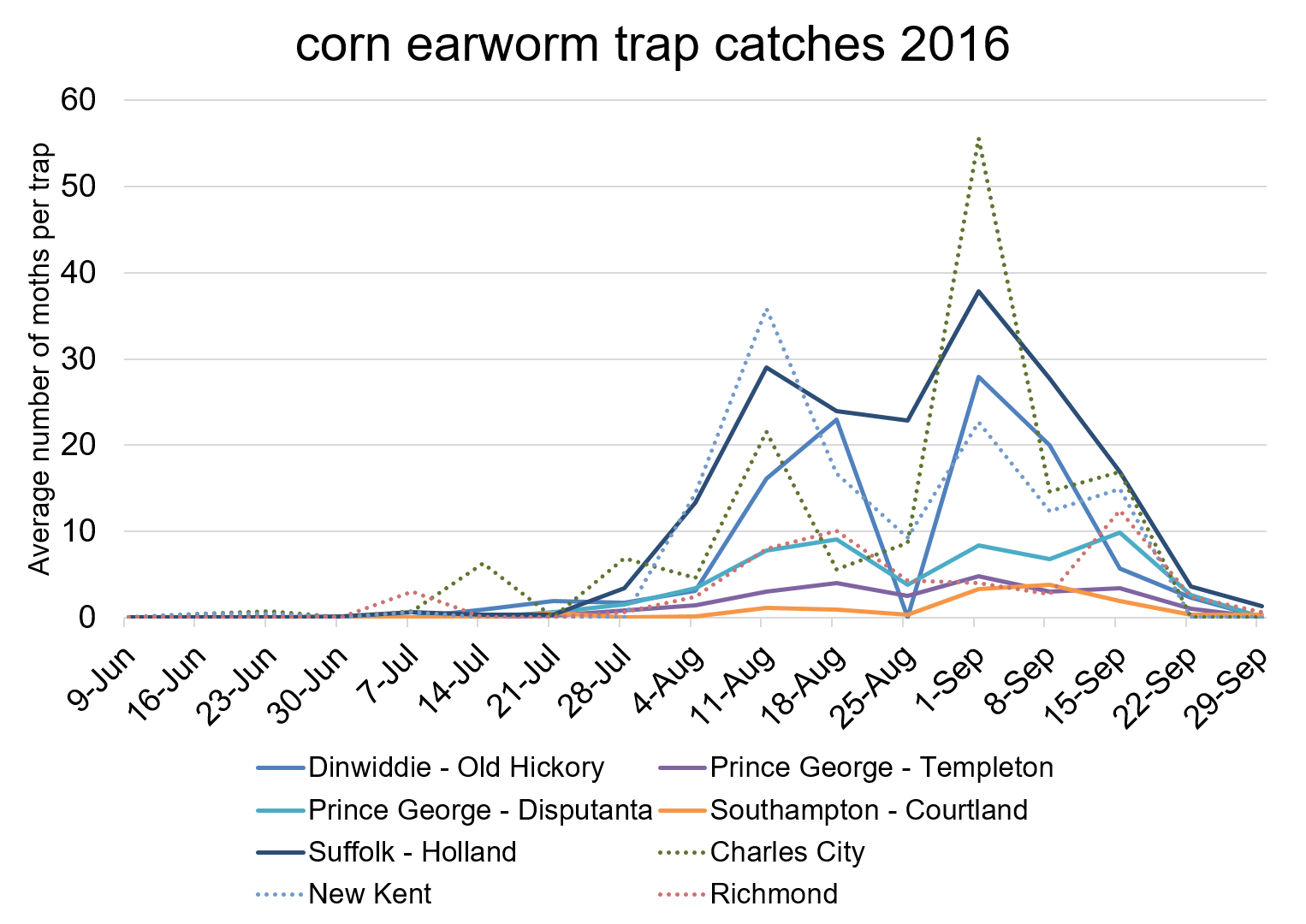
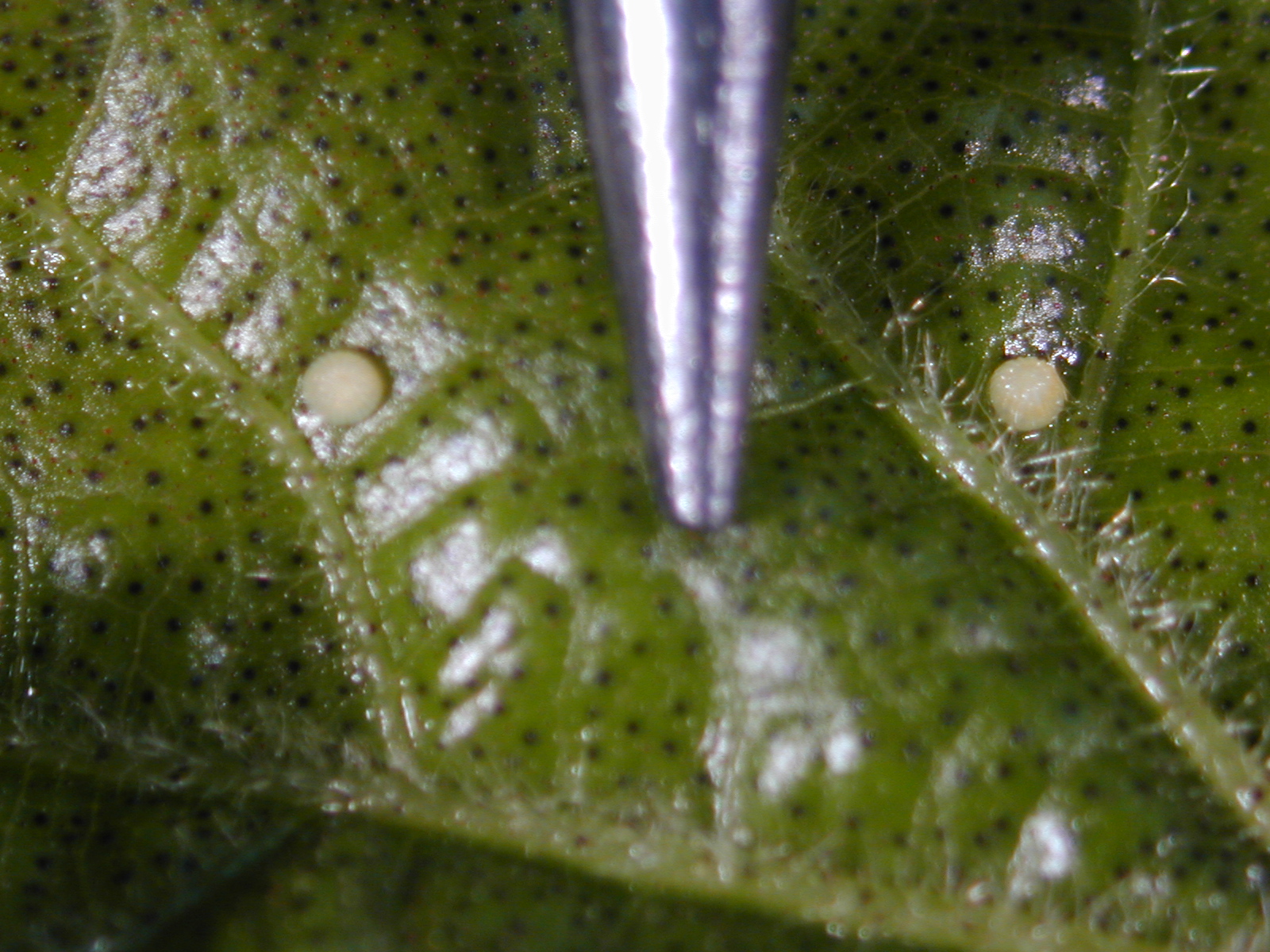
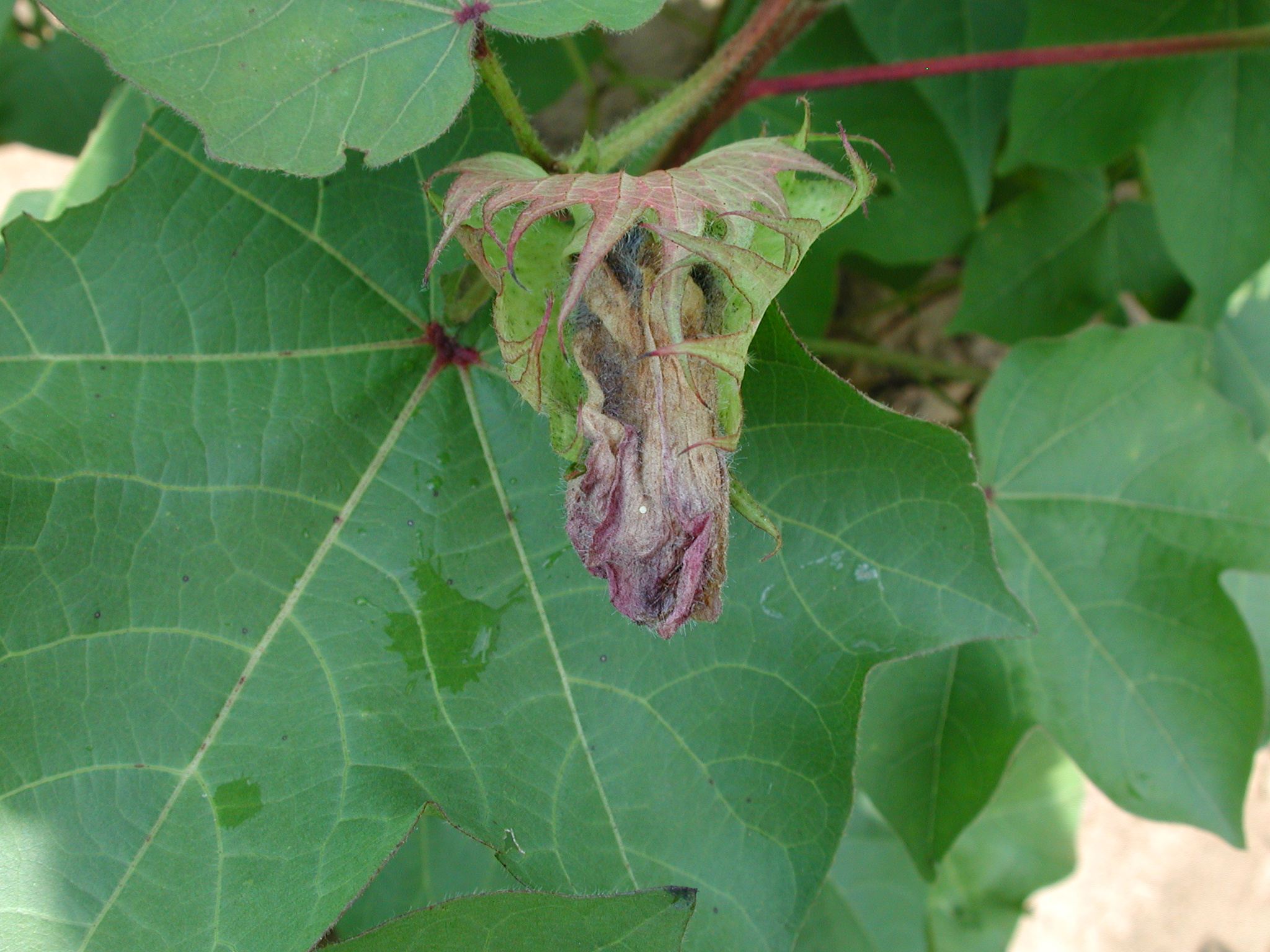
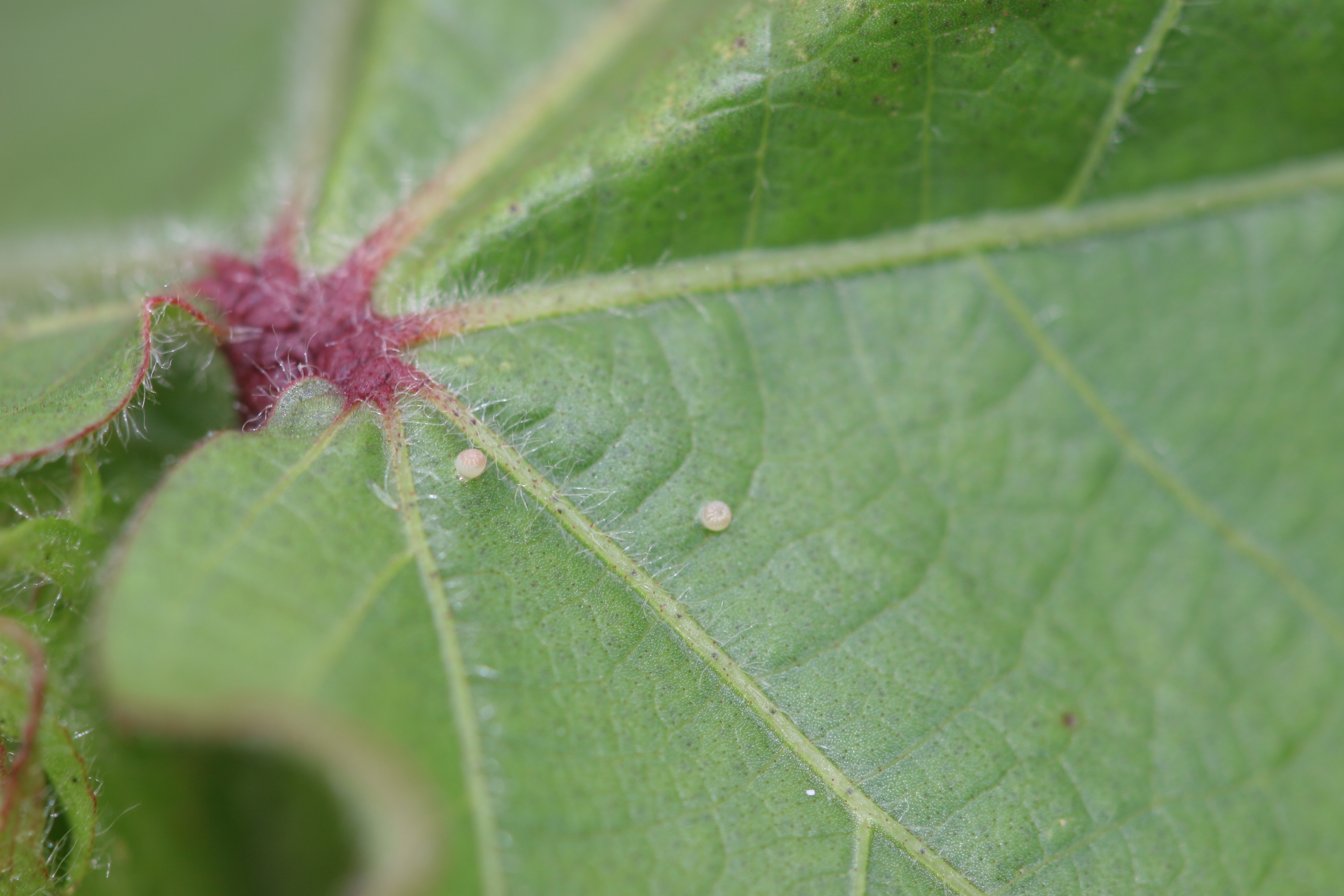
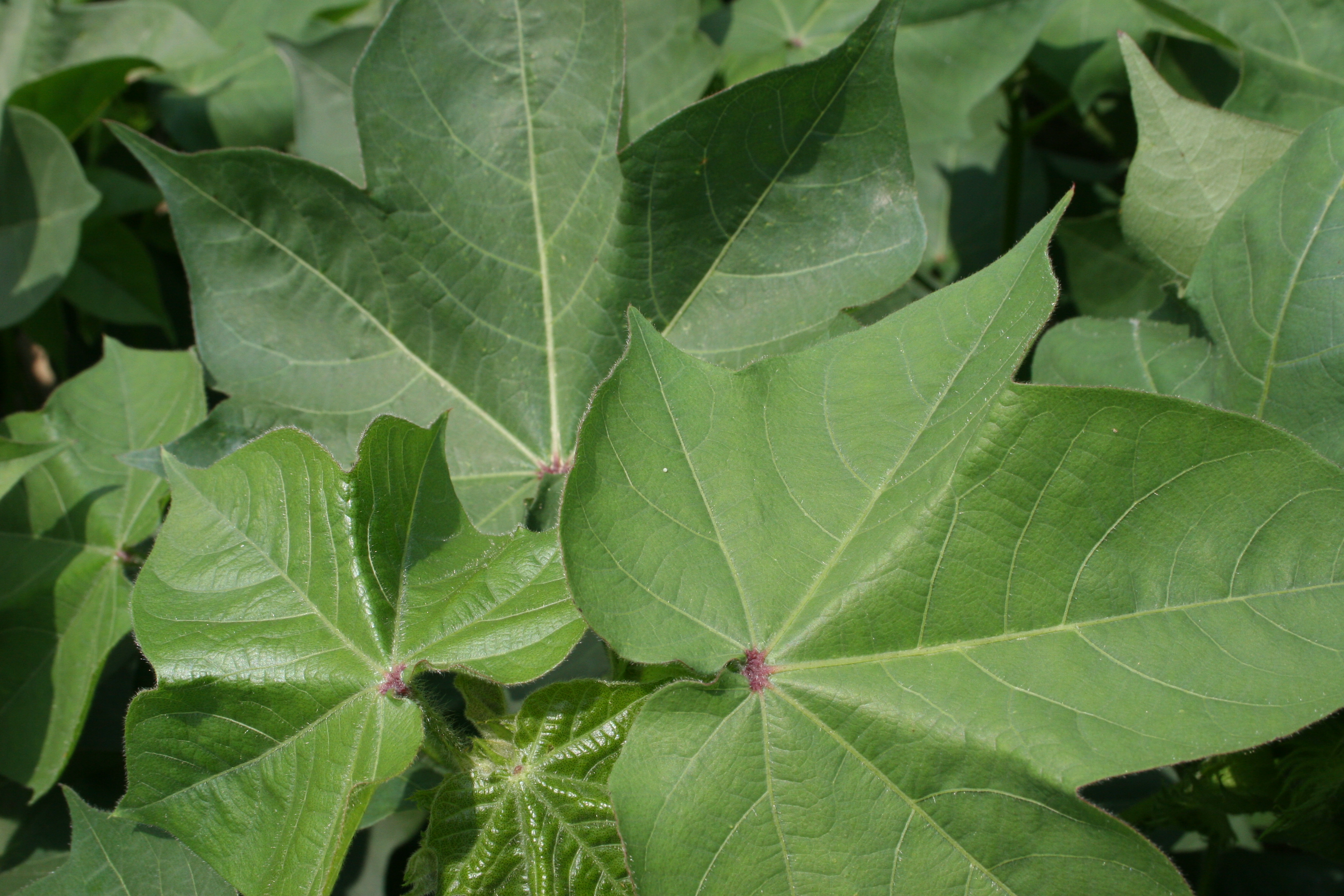
We have additionally scouted for, and found, eggs in cotton and on silks of late-planted corn. I have included pictures below to help with identification. Our ongoing corn earworm survey has revealed large numbers of worms completing development on Bt corn in multiple counties. I strongly encourage cotton growers who planted Widestrike or Bollgard II this year to be vigilant when scouting fields. In agreement with Dominic Reisig’s (North Carolina State University) 2016 recommendations, entomologists in the Mid-South (Angus Catchot – Mississippi State University) have suggested egg thresholds broken-down by trait package:
WideStrike Cotton: Treat on 10-15% egg lays on bloom tags
BG2 cotton: Treat on 25-30% egg lay on bloom tags.
These thresholds are supported by observations made across the Southeast last year, including in North Carolina and Virginia, that worms have a higher chance of surviving on blooms than on any other part of the plant. These thresholds have not been established through experimentation and I consider them to be extra protective. Budworm eggs are identical to bollworm eggs and this species is controlled by Bt toxins. I have seen both budworm and bollworm moths in cotton this year.
Some growers have planted conventional cotton this year. We have established egg and larval thresholds in Virginia for non-Bt varities:
Eggs: 10 eggs per 100 terminals or 2 eggs per 100 fruiting forms (most cotton we have scouted has reached this threshold)
Larvae: 3 live worms per 100 terminals or 3% damage to squares, blooms, bolls
Currently, we have experienced no unexpected injury to Widestrike III or TwinLink technologies. I would not assume these varieties to be bulletproof in a high pressure year, but I do think that these technologies offer good protection in our area.
I recommend spending the extra money on a worm-specific product instead of relying on pyrethroids. Vial tests in Suffolk have indicated a trend towards resistance for several years and there have been field failures reported south of us this season. Besiege and Prevathon are good choices because they offer residual control. Besiege targets sucking-bug pests in addition to worms. I have had inquiries about Intrepid Edge. Virginia Tech has not tested this product in cotton. It has performed well in soybean tests and in cotton tests in other regions (Jeremy Greene- Clemson University, South Carolina). Keep in mind that no product works well against large larvae. Due to the early nature of this year’s flight, we may experience additional pressure later this season. I will keep you updated on what’s happening in Virginia. Please call if you have anything to report.
Sally 919-801-5366
 As another reminder, the Virginia Ag Expo is Thursday, Aug. 3 at Renwood Farms in Charles City. The event opens at 7:30 am and will run through mid-afternoon.
There is something for all corn and soybean farmers in the field this year. Go on the field tour and you will be able to chat with Extension Specialists, company reps, and others about the research being conducted or anything else on your mind.
 As always, the Ag Expo is home of one of our numerous on-farm corn hybrid and soybean variety tests. This year, you will view 31 corn hybrids from 11 companies and 47 soybean varieties from 14 companies. Drs. Mike Flessner and Charlies Cahoon will demonstrate off-site herbicide injury with some of our newest seed/chemical technologies. Dr. Wade Thomason is evaluating in-furrow and starter fertilizer in corn. The soil fertility team, led by Dr. Mark Reiter, is investigating fertilizer recommendations to ensure optimum production for high yielding soybeans. You will view one of Dr. David Holshouser’s seeding rate trials as he is in the process of establishing variable rate seeding recommendations. You will also see an experiment that you may have viewed at last year’s Ag Expo investigating the interaction of planting date with relative maturities. Companies are participating in our plots with in-furrow and foliar sprays that offer potential to enhance yield potential under high-yielding conditions. Finally, you’ll go below ground to view Virginia’s state soil, a Pamunkey loam, and discuss this yield contest-winning properties with NRCS personnel.
This is a walking, go-at-your-own-pace tour designed to fit your interest and schedule. Buses will be running continuously to take you to and from the plots. Enjoy!
This week, our black light trap operators reported a range of zero to 8.5 corn earworm/bollworm moths per night and zero to 2.7 brown marmorated stink bugs per night. The tables are in this pdf file: BLT_20_Jul_2017
The corn earworm/bollworm pyrethroid resistance monitoring program is averaging about 36% moth survival. These are pheromone trap-collected moths from Suffolk, Virginia. The pyrethroid is cypermethrin at 5 micrograms per vial.
Virginia Cooperative Extension ANR Agents, Virginia Tech personnel, interns, and others have started our annual field corn survey for corn earworm/bollworm larvae. It can be an indicator of the pressure that we’ll see in other crops (e.g., soybean) when the moths emerge and fly out of corn fields. We’ll have a full report in the beginning of August (including data from many more counties), but here are the average ear infestations from those surveys already completed (based on sampling 50 ears per field, 5 fields per county): Accomack=29%; Henrico=37%; Southampton=53%; Amelia=18%; Westmoreland=6%.
Sweet corn farms are being monitored around Virginia for the two most important pests attacking the ears, corn earworm and fall armyworm. Moth Trap Catch Data are being recorded by: Katlyn Catron & John Few (Montgomery Co.); Jason Cooper (Rockingham Co.); Ursula Deitch (Northampton Co.); Helene Doughty (Accomack Co. & Virginia Beach); Kenner Love (Rappahannock Co.); Laura Maxey Nay (Hanover Co.); Steve Pottorff (Carrol Co.); Stephanie Romelczyk (Westmoreland Co.); Laura Siegle (Amelia Co.); Rebekah Slabach (Halifax Co.); and Mark Sutphin (Frederick Co.).
This week we have still not seen the fall armyworm flight yet in VA. A few moths were caught on the Eastern Shore of VA and a couple other locations, but generally they are not in Virginia yet from their migratory flight from the south each summer. For corn earworm, trap catch of less than 1 per night means relatively low pest pressure and sprays can probably be spaced 5-6 days apart during silking. However, a catch of >1 or >13 moths per night means moderate and high pest pressure, respectively and a more frequent spray interval (every 3 or 2 days) is justified. Trap catch increased to high levels on several farms this week throughout the state including Northampton Co., Virginia Beach, Page Co., and Montgomery Co.
Here are the trap catch results (moths per night) for several locations around Virginia for this week (note we do not have data for all locations):
| Week of July 16 (avg) | ||||
| Region | County | Field | CEW/night | FAW/night |
| Eastern Shore | Accomack | ESAREC – cemetery | 4.4 | 3 |
| Eastern Shore | Accomack | ESAREC – woods | 1.1 | 0 |
| Eastern Shore | Northampton | Bridge Tunnel | 33.3 | 0 |
| Eastern Shore | Northampton | Capeville 1 | 1.5 | 0 |
| Eastern Shore | Northampton | Cape charles | 3.0 | NA |
| Eastern Shore | Northampton | Eastville | 4.5 | 0 |
| Eastern Shore | Northampton | Nassawaddox | 1.5 | 0 |
| Virginia Beach | Virginia Beach | Pungo 1 | 15.7 | 0 |
| Piedmont | Amelia | Field 1 | 4.0 | 0.2 |
| Piedmont | Hanover | Farm 1 | 3.7 | 0.0 |
| Piedmont | Hanover | Haynes | 1.1 | 0.0 |
| Northern Neck | Westmoreland | Field 1 | 10.0 | 0 |
| Northern Neck | Westmoreland | Field 2 | 3.7 | 1 |
| Shenandoah Valley | Rappahannock | Field 1 | 5.0 | 0 |
| Shenandoah Valley | Page | Field 1 | 12.0 | 0 |
| Shenandoah Valley | Frederick | Farm 1 | 7.4 | 0 |
| Shenandoah Valley | Frederick | Farm 2 | 3.2 | 0 |
| Shenandoah Valley | Rockingham | Farm 1 | 0.3 | 0 |
| Shenandoah Valley | Rockingham | Farm 2 | 1.0 | 0 |
| New River Valley | Montgomery | KC | 1.0 | 0 |
| New River Valley | Montgomery | KO1 | 3.3 | 0 |
| New River Valley | Montgomery | KO2 | 9.3 | 0 |
| New River Valley | Montgomery | WF1 | 16.3 | NA |
| New River Valley | Montgomery | WF2 | 4.3 | NA |
| New River Valley | Montgomery | WF3 | 13.0 | NA |
| New River Valley | Montgomery | WS1 | 17.3 | NA |
| New River Valley | Montgomery | WS2 | 19.0 | NA |
| New River Valley | Montgomery | WS3 | 36.7 | NA |
Twenty-three representative cotton fields in eight Virginia counties were scouted weekly for plant bug abundance and square retention. Data for the June 28th through July 13th sampling period is represented in the distribution map below (follow link to view). We will continue to post updates to the map through peak plant bug abundance in cotton. Sweep net and drop cloth samples were taken for each field to account for sampling bias associated with sweep net sampling towards adult captures and drop cloth sampling towards nymphal captures. When sampling cotton fields for plant bugs, look carefully for nymphs (pictured below). Since nymphs are flightless, they may spend more time feeding in an isolated area and cause more damage than adults because their movement in and out of fields is limited. The action threshold for plant bug in Mid-Atlantic cotton is generally eight plant bugs (i.e., adults and nymphs) per 100 sweeps in addition to square retention below 80 percent.

Plant bug nymph feeding on weedy host, buckhorn plantain (Plantago lanceolata).
When viewing the distribution map in full-screen mode, click on the left arrow icon to view map legend. Click on sampling labels on the map to view square retention and number of samples taken from each site. Mean plant bug densities were calculated by sampling four sweet net samples (25 sweeps per sample) and four drop cloth samples across each field. Total adults and nymphs in a single visit were totaled and averaged for each visit within the sampling period.
Click here to view full-screen distribution map

Plant bug distribution map in Virginia cotton sampled from 28 June to 13 July 2017.
Virginia Cooperative Extension ANR Agents and Virginia Tech faculty/staff have started up their black light traps to monitor corn earworm moths (aka bollworm) and brown marmorated stink bugs for the season. CEW and BMSB catches have been low in the black light traps; however, our pheromone traps in Suffolk, VA are catching moderate numbers of CEW moths–averaging about 5 per night. We tend to pick up more CEW moths in the pheromone than in the black light traps during this time of year. Dr. Taylor’s cypermethrin vial tests are showing about 35% of CEW moths surviving the 5 microgram rate (the moths were collected from the Suffolk pheromone traps). Watson Lawrence reported 26 brown stink bugs in his Chesapeake black light trap this week.
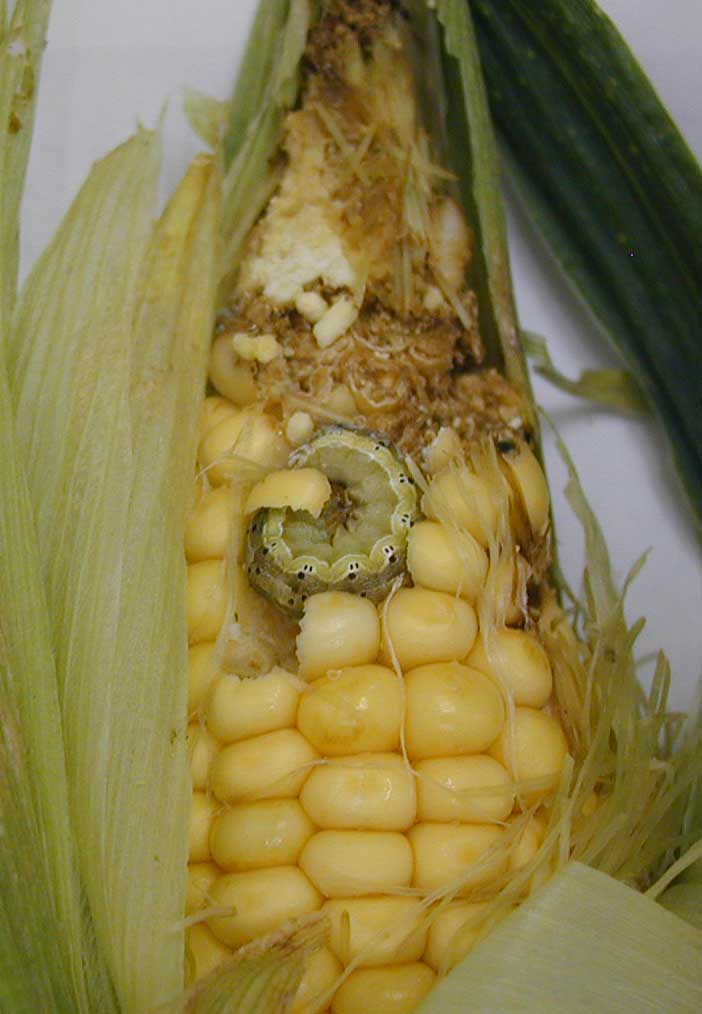
Corn earworm larva in sweet corn.
Corn earworm and fall armyworm are two important pests of a number of agricultural crops in Virginia. Sweet corn, in particular, is extremely vulnerable to attack by the larvae (or caterpillars) of these moth pests. Monitoring moth catch numbers in pheromone-baited traps can help IPM decision-making. See at the end of this post the Action threshold for spraying insecticides on sweet corn based on corn earworm trap catch. In general trap catch less than 1 per night means relatively low pest pressure and sprays can probably be spaced 5-6 days apart during silking. However, a catch of >1 or >13 moths per night means moderate and high pest pressure, respectively and a more frequent spray interval is justified.
In 2017, we are monitoring these pests on sweet corn farms in 11 different counties in Virginia. Moth Trap Catch Data are being recorded by: Katlyn Catron & John Few (Montgomery Co.); Jason Cooper (Rockingham Co.); Ursula Deitch (Northampton Co.); Helene Doughty (Virginia Beach); Kenner Love (Rappahannock Co.); Laura Maxey Nay (Hanover Co.); Steve Pottorff (Carrol Co.); Stephanie Romelczyk (Westmoreland Co.); Laura Siegle (Amelia Co.); Rebekah Slabach (Halifax Co.); and Mark Sutphin (Frederick Co.)
Here are the trap catch results (moths per night) for several locations around Virginia for this week (note we do not have data for all locations):
| Region | County | Field | CEW moths/night | FAW moths/night |
| Eastern Shore | Accomack | ESAREC | 1.1 | 0 |
| Eastern Shore | Virginia Beach | Pungo 1 | 1.6 | 0 |
| Eastern Shore | Virginia Beach | Pungo 2 | 3.9 | 0 |
| Eastern Shore | Northampton | Bridge Tunnel | 6.6 | 0 |
| Eastern Shore | Northampton | Capeville 1 | 3.6 | 0 |
| Eastern Shore | Northampton | Capeville 2 | 0.0 | 0 |
| Eastern Shore | Northampton | Eastville | 0.6 | 0 |
| Eastern Shore | Northampton | Nassawaddox | 1.0 | 0 |
| Piedmont | Amelia | Field 1 | 2.7 | 0 |
| Piedmont | Hanover | Field 1 | 2.1 | 0 |
| Piedmont | Hanover | Field 2 | 1.0 | 0 |
| Northern Neck | Westmoreland | Field 1 | 3.0 | 0 |
| Shenandoah Valley | Rappahannock | Field 1 | 1.0 | 0 |
| Shenandoah Valley | Frederick | Field 1 | 2.3 | 0 |
| Shenandoah Valley | Frederick | Field 2 | 3.5 | 0 |
| New River Valley | Montgomery | Whitethorne | 1.9 | 0 |
| New River Valley | Montgomery | Wall field corn | 1.1 | 0 |
| New River Valley | Montgomery | Wall sweet corn | 20.8 | 0 |
| Action threshold: Number of Corn Earworm Moths Caught in Pheromone trap | |||
| Per Day | Per 5 Days | Per Week | Spray Interval for sweet corn |
| <0.2 | <1 | <1.4 | No Spray |
| 0.2 – 0.5 | 1.0 – 2.5 | 1.4 – 3.5 | 6 Day |
| 0.5 – 1.0 | 2.5 – 5.0 | 3.5 – 7.0 | 5 Day |
| 1.0 – 13.0 | 5.0 – 65.0 | 7.0 – 91.0 | 4 Day |
| >13.0 | >65.0 | >91.0 | 3 Day |

Please note: the date for the Virginia Ag Expo is August 3, 2017.
“Focused on Productivity, Management and Stewardship” is the theme for the 2017 Virginia Ag Expo. The Virginia Ag Expo, hosted by the Virginia Grain Producers Association and the Virginia Soybean Association in partnership with Virginia Cooperative Extension, is the largest agricultural field day held in the Commonwealth of Virginia. As an educational, marketing and social event farmers and agribusiness look forward to the Virginia Ag Expo each year.
Renwood Farms, owned and operated by The Stanley Hula Family, will be hosting this year’s Ag Expo on August 3. The Hula Family’s farm is a diversified operation growing over 6,000 acres of corn, soybeans and small grains; along with seed conditioning and sales. A focus on management and productivity at Renwood Farms has produced the world record corn yield of 532 bushels per acre by David Hula. In addition, the USG soybean seed that produced the world record yield of 172 bushels per acre was grown and conditioned at Renwood Farms.
Over 150 exhibitors and sponsors will have on display all of the most up to date equipment, goods and services for agricultural producers and property owners no matter how large or small.
The event opens at 7:30 am. The field tour, starting at 8 am, is a walking, go-at-your-own-pace tour designed to fit your interest and schedule. Buses will be running continuously to take you to and from the plots.
Breakfast and lunch will be provided by Virginia food vendors. Attendees will be able to eat any time from 6:30 AM to 2:00 PM.
Renwood Farms is located at 17303 Sandy Point Road, Charles City, VA 23030.
