Kudzu bug update for soybeans

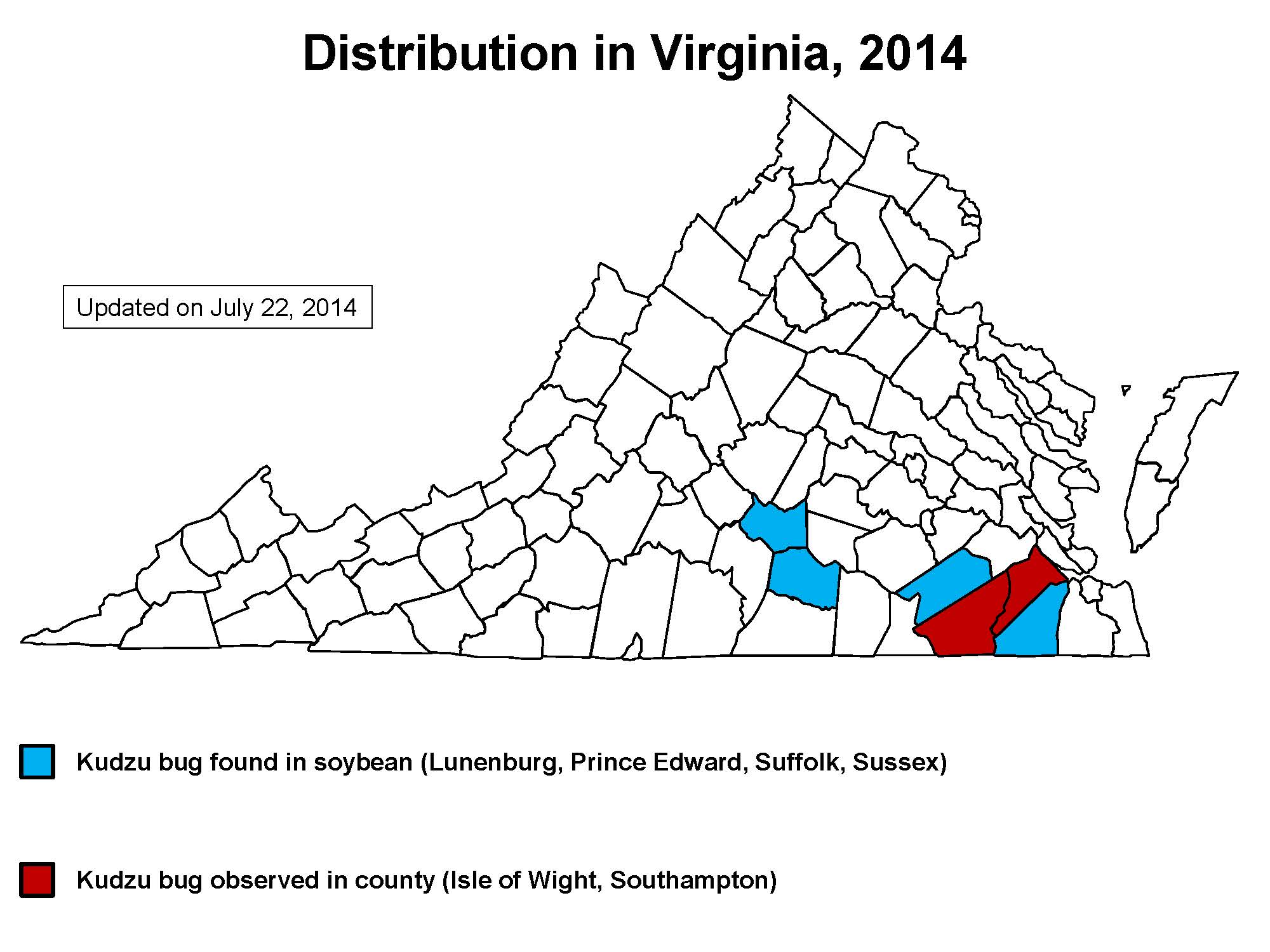
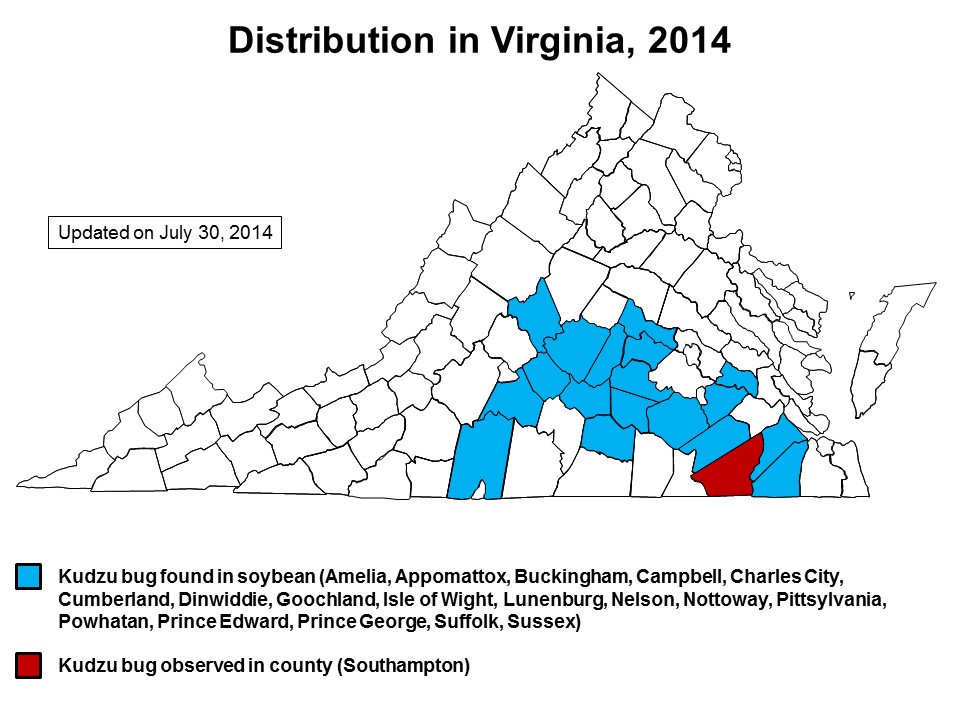
The number of counties where kudzu bugs have been found in soybean fields has increased a lot since last week.  Last week they were found in 4 counties and this week a total of 18 counties.  In many cases both nymphs and adults are present.  To my knowledge, none have reached the threshold for this second generation, that is, 1 nymph per sweep.  Keep in mind that as much time as we put into this statewide survey of soybean fields, our scouts can only visit a small fraction of the fields.  Our recommendation is that you check all of your fields.  The best way is to use a standard sweep net doing several 15 sweep samples in a field.  If you need a sweep net, here is one recommendation (there are several other sources): Bioquip, the sweep net with the 2 ft long handle, item  #7625HS  (https://www.bioquip.com/search/DispProduct.asp?pid=7625HS).  Note that the site lists two handle lengths, again, we recommend the one with the 2 ft long handle.

kudzu_bug_distribution_7_30_14

Corn earworm update—slow to develop but some surviving the pyrethroid vial test

The corn earworm population is very slow to develop this year.  We are only getting a couple of moths each night in our black light trap here at TAREC and our pheromone trap catches are way down compared to this time last year.

Sean Malone will be posting the results of our annual corn earworm field corn survey later this week.  Those results, the percent of ears damaged by corn earworm, give us the best indication of what to expect in the coming weeks.  Worms feed in corn, drop the ground to pupate in soil chambers, then adults (moths) emerge to fly to other hosts like soybean, cotton and peanut fields.  So the size of the population in field corn is our first indicator of what the season may bring.

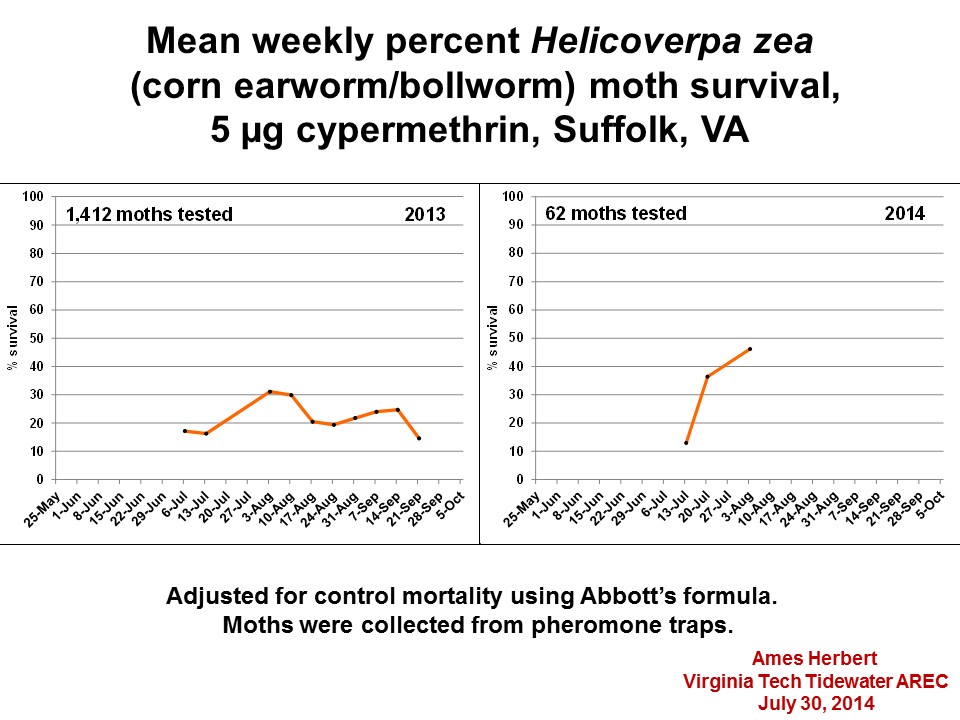
As in past years, we are also subjecting moths to the AVT (Adult Vial Test) with a pyrethroid insecticide. With the low population, mentioned above, we have not tested a lot of moths but the survivorship numbers are high 13-46 percent.  I cannot forecast if this will increase as the season progresses, as it has in the past, but starting at this level is significant.  Given these early results, regardless of the crop growers should be prepared to use some non-pyrethroid product ‘designed’ to target difficult to control corn earworms. These can be used alone, or tankmixed with a pyrethroid if other pests like stink bugs or kudzu bugs need to be controlled.

line graph showing CEW AVT results


2014 Virginia Ag Expo

The Virginia Ag Expo will be held at Bleak House Farm, Lottsburg, Virginia on August 7, 2014, starting at 7:30 a.m.
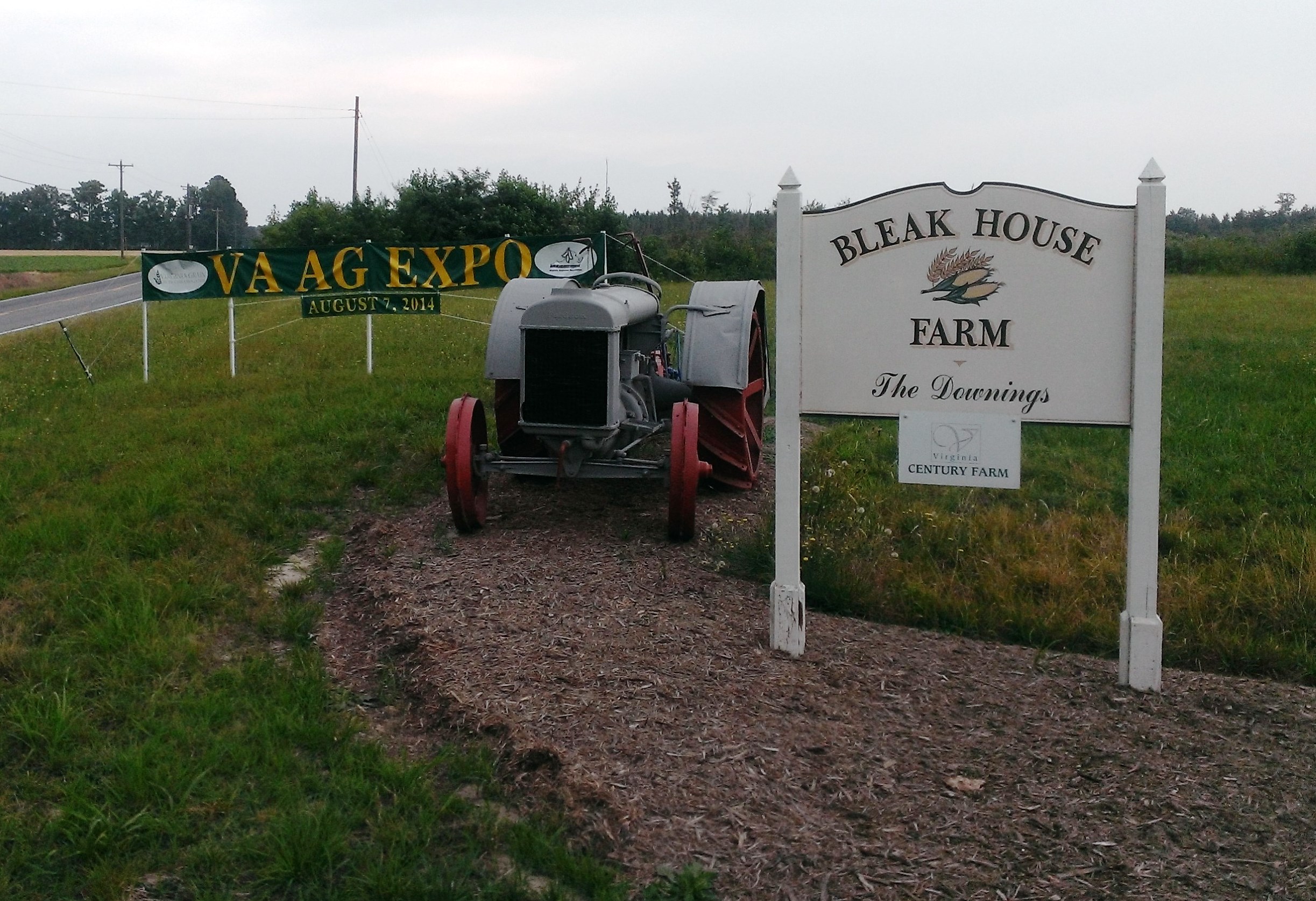
Bleak House Farm, Home of the 2014 Virginia Ag Expo

Bleak House Farm, Home of the 2014 Virginia Ag Expo

2013 Virginia Ag Expo at Land of Promise Farms, Virginia Beach

2013 Virginia Ag Expo at Land of Promise Farms, Virginia Beach

More than 140 exhibitors and sponsors will be showcasing the latest equipment, technology, goods, and services.

Field tours will begin at 9:00 am, run every 1/2 hour, and include:

  • Disease update for soybean and corn with Dr. Hillary Mehl, Virginia Tech Plant Pathologist.
  • Insect pests of soybean and corn with Dr. Ames Herbert, Virginia Tech Entomologist.
  • Weed control and weed resistance management with Drs. Michael Flessner and Scott Hagood, Virginia Tech Weed Specialists.
  • High-yield soybean management, with Dr. David Holshouser, Virginia Tech Soybean Agronomist.
  • High-yield corn management with Dr. Wade Thomason, Virginia Tech Grains Agronomist.
  • Safety demonstration for handing bulk seed containers with Crop Production Services.
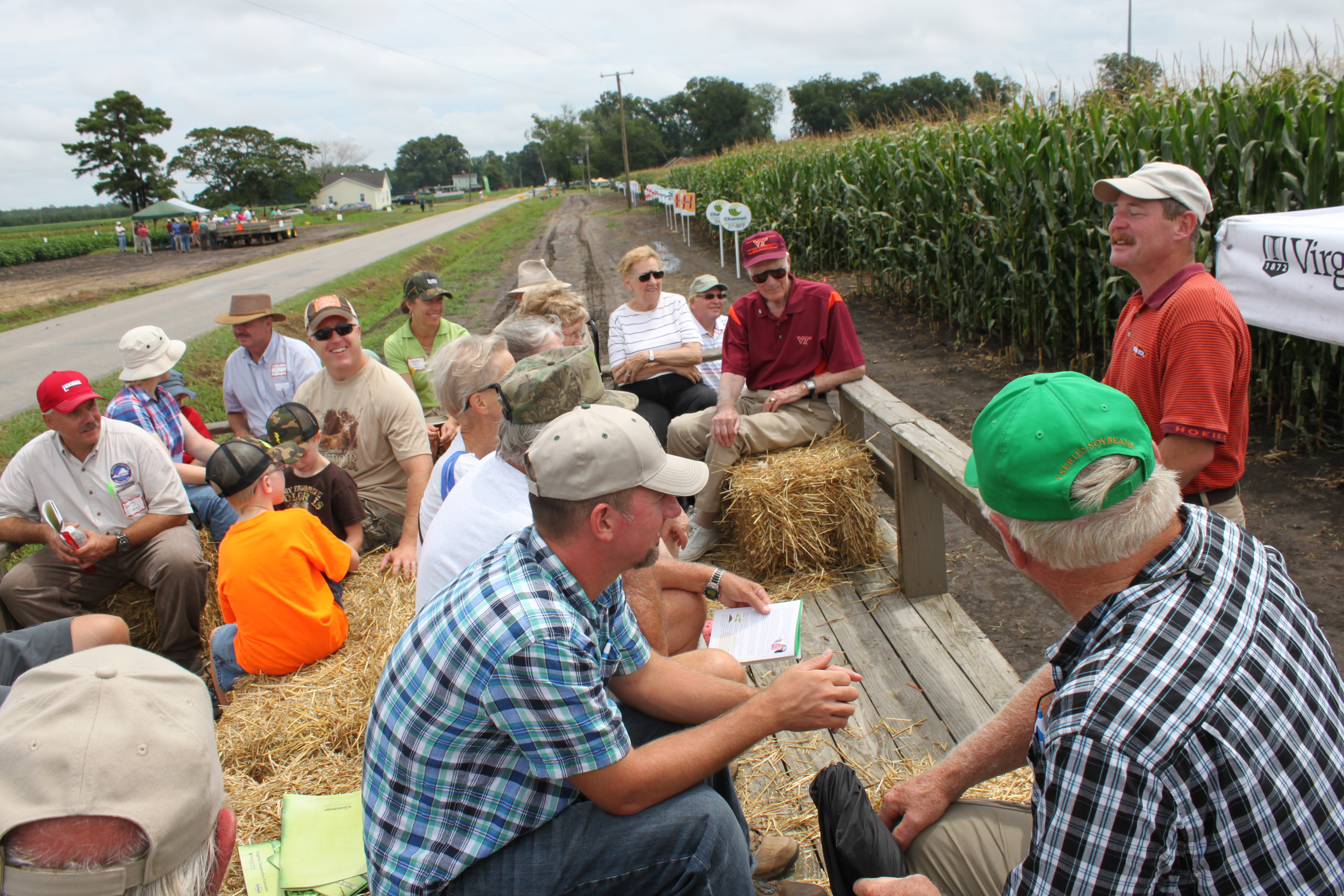
    2013 Virginia Ag Expo  High-Yield Corn

    2013 Virginia Ag Expo – High-Yield Corn Management

Not on the tour, but open to view, will be Fred Downing’s collection of vintage farm tractors.

There is no charge to attend the expo and no need to preregister.

Breakfast and lunch will be available from 6:30 a.m. until 2 p.m. Local civic organizations and food truck vendors will offer a wide array of items, including barbecue, seafood, chicken, hamburgers, hot dogs, and complete dinners.

For those using GPS for directions to reach the expo, enter the following address into your system: 662 Bleak House Farm Lane, Lottsburg, VA 22511.

The Virginia Ag Expo is a joint project of the Virginia Grain Producers Association and the Virginia Soybean Association, in partnership with Virginia Cooperative Extension.

For more information, contact the Virginia Grain Producers Association at 804-726-6022 or the Virginia Soybean Association at 804-466-1693 or visit the 2014 Virginia Ag Expo website.
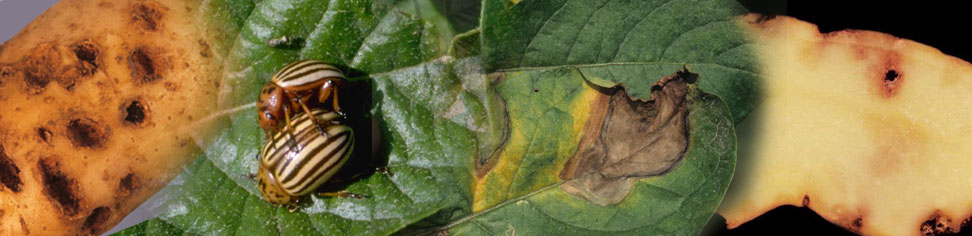
Predator profile: Damsel bugs

Adult Nabis roseipennis. Photo by John F. Carr 2010

Adult Nabis roseipennis. Photo by John F. Carr 2010

Damsel bugs (10 mm in length) are common predators in southeastern row crops. These insects feed on corn earworm larvae and eggs, other caterpillars and thrips among other prey. Both adults and immature damsel bugs are predators. Adults are brownish with an elongate torso and head with long thin legs. Immatures have a similar appearance with shortened wings. According to a 2013 survey in Virginia soybean, damsel bug populations are highest in August and early September. Damsel bug feeding rates are highest at night, in contrast to high daytime feeding rates common to many predatory insects such as lady beetles. Keep in mind that broad-spectrum insecticides will significantly decrease damsel bug populations in soybean fields.

Map of Virginia showing counties with kudzu bugs.

Soybean kudzu bug update—July 24, 2014

Our scouts have reported finding kudzu bugs in soybean fields in 4 counties.  Nymphs as well as adults were found in two of those counties, Lunenburg and Prince William.   Adults and nymphs were found in kudzu, only, in two other counties.  All are near the southern border of the state.  We are expecting this to change pretty rapidly so we strongly recommend that you start checking fields.  This is most easily done with a sweep net.  Go to several areas of a field, especially along the edges, and do several 15 sweep samples.  At this point in the season, treatment thresholds should be based on the 1 nymph/sweep threshold.

Cotton stink bug scouting card

Cotton stink bug update—July 24, 2014

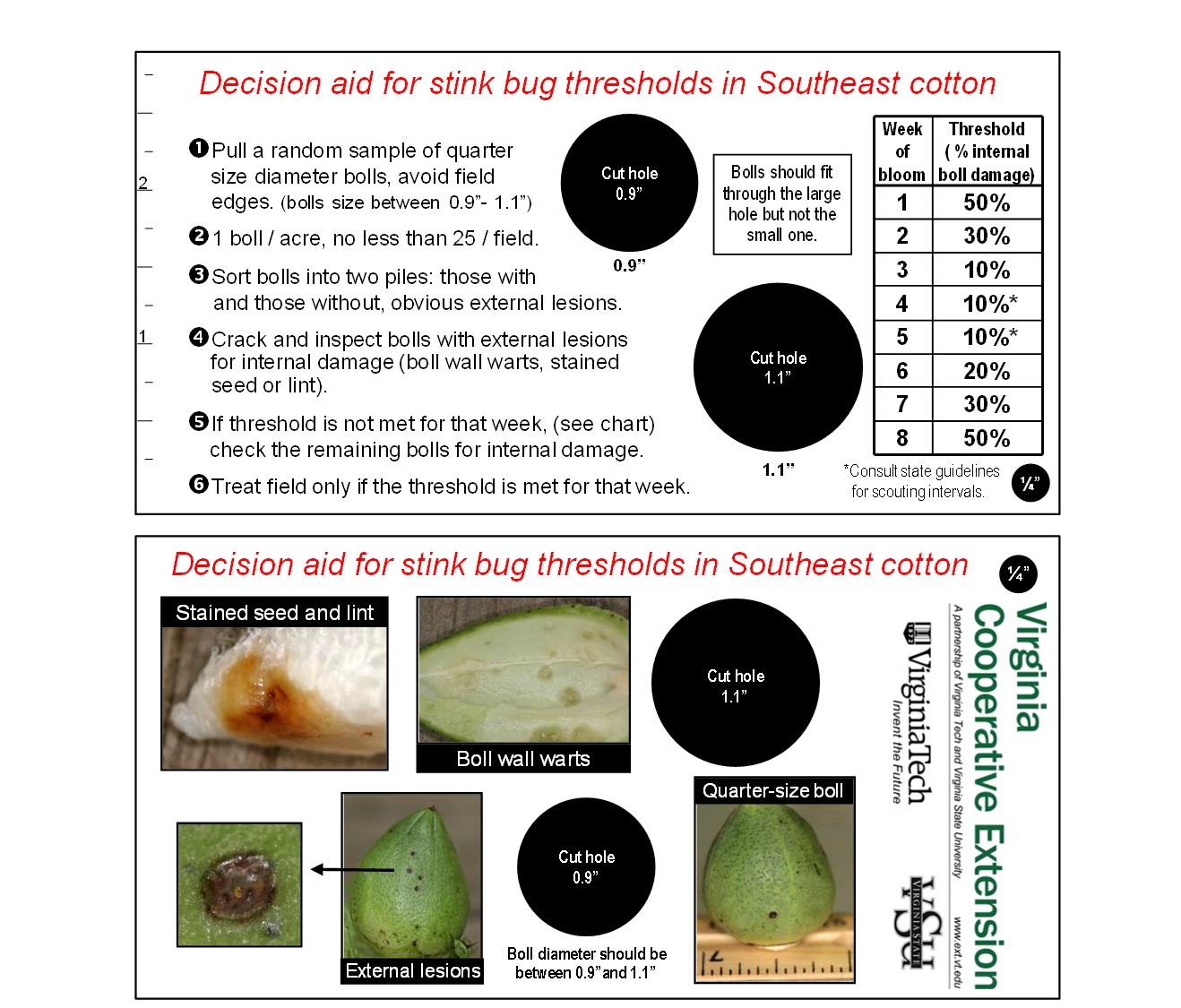
We are finding (and hearing about) a few cotton fields that have reached or exceeded stink bug damage thresholds—not all by any means, but some. For the most part, these are fields in the 3rd or 4th weeks of bloom.  If you are following our recommended cotton stink bug thresholds, the threshold for the 3rd, 4th and 5th weeks of bloom is 10 percent internal stink bug damage.  The research that these thresholds are based on showed that these weeks are the most critical for boll production and the bolls present during this period are the most susceptible to stink bug feeding injury.

If you have not started checking fields for stink bug damage to bolls, you might want to consider starting.  In each field, pull a random sample of at least 25 bolls that fit in the ‘holes’ in our scouting card (contact us or your local extension office if you need a stink bug scouting card).  Using bolls in this size range guarantees that you are sampling the right boll population.  Crack each boll and inspect for internal stink bug feeding injury symptoms.

What products will give you the best control of stink bugs and longest residual activity?  Our field trials, and others, show pretty consistently that pyrethroids and products like Bidrin provide the best control.  Insecticides in the neonicotinoid class, if applied alone, are weak.  Although products do a decent job of killing the adults and nymphs, none provide much residual activity —even 7 days would be a stretch.  If adult stink bugs continue move in to field, more than one application may be needed.

Grain sorghum – crop update for Virginia

Even though the first FSA crop acreage report for 2014 will be posted on August 15 (at http://www.fsa.usda.gov/FSA/webapp?area=newsroom&subject=landing&topic=foi-er-fri-cad), I know that several farmers in SE Virginia planted grain sorghum this year. For those and beyond,

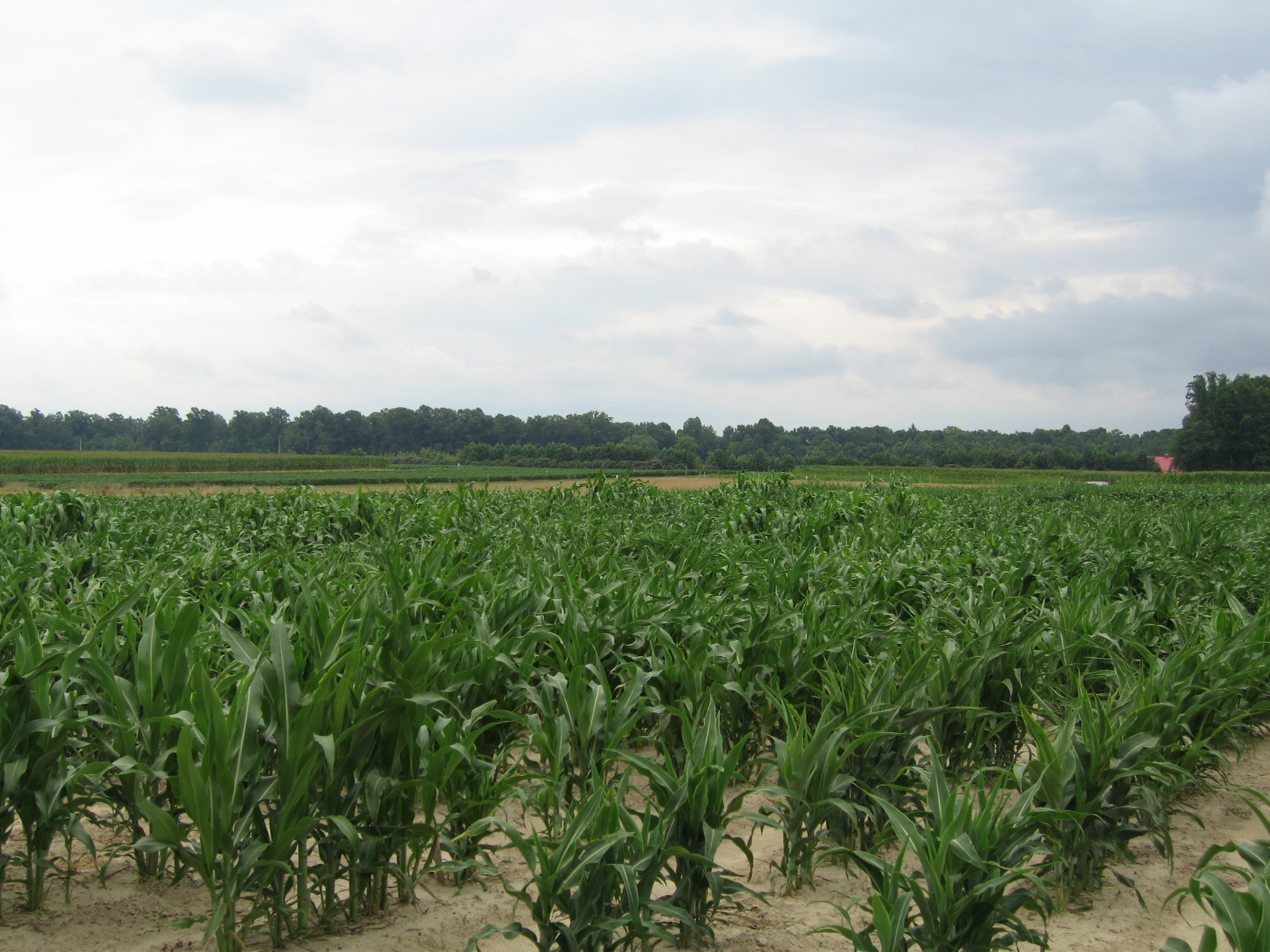
Grain sorghum planted at Tidewater AREC on June 10, 2014

Grain sorghum planted at Tidewater AREC on June 10, 2014

here there are a couple updates to consider:

Depending on maturity, May planted hybrids are getting close to heading. Scouting for worms at this time and until hard dough is important. We recently found a relatively heavy corn earworm pressure in our “Official Variety Test” (OVT). Japanese beetle pressure also needs to be observed at this time as it may cause leaf damage for young plants. For both, Dr. Herbert recommended a mixture of Baythroid (2.8 oz) and Lannate (1.5 pt) in at least 15 gal of water for good penetration inside the whorls.

Double crop sorghum planted after wheat is probably no taller than 8 inches; still a good height for several herbicide options for broad leaf control. Grass and wheat volunteers can also be controlled but sorghum needs to be at least 15 inches tall. Details on herbicide options are at http://pubs.ext.vt.edu/AREC/AREC-29/AREC-29NP.html.

Sorghum is a crop and it should be treated as such. This includes knowledgeable soil sampling for pH and nutrient content, and treatment accordingly. Nutrient recommendations for sorghum can be found at http://www.soiltest.vt.edu/PDF/recommendation-guidebook.pdf.

My research group has been quite successful growing sorghum, full and double cropping, across SE Virginia. You can tour the 41 OVT hybrids we grow this year on September 11 during the Tidewater AREC Pre-harvest Field Tour. For details on this event ask Gail White at guwhite@exchange.vt.edu.

Has your peanut sufficient manganese?

It appears that different peanut fields may have different needs for manganese fertilization this year. We made this observation while scouting several peanut fields last week: here at the Tidewater AREC and also in farmers’ fields in Southampton County. Even though we applied 1 qt of 9% liquid manganese almost three weeks ago, some fields appear to need more. If manganese deficiency symptoms occur, applying more manganese with the next fungicide treatment would be a good approach.

'Bailey' peanut showing manganese deficiency

‘Bailey’ peanut showing manganese deficiency

We have seen manganese deficiency late in the season in 2012. This year, rainfall was less than in 2012. However Bailey has excessive vine growth and precipitation was enough for most fields to exacerbate this characteristic.

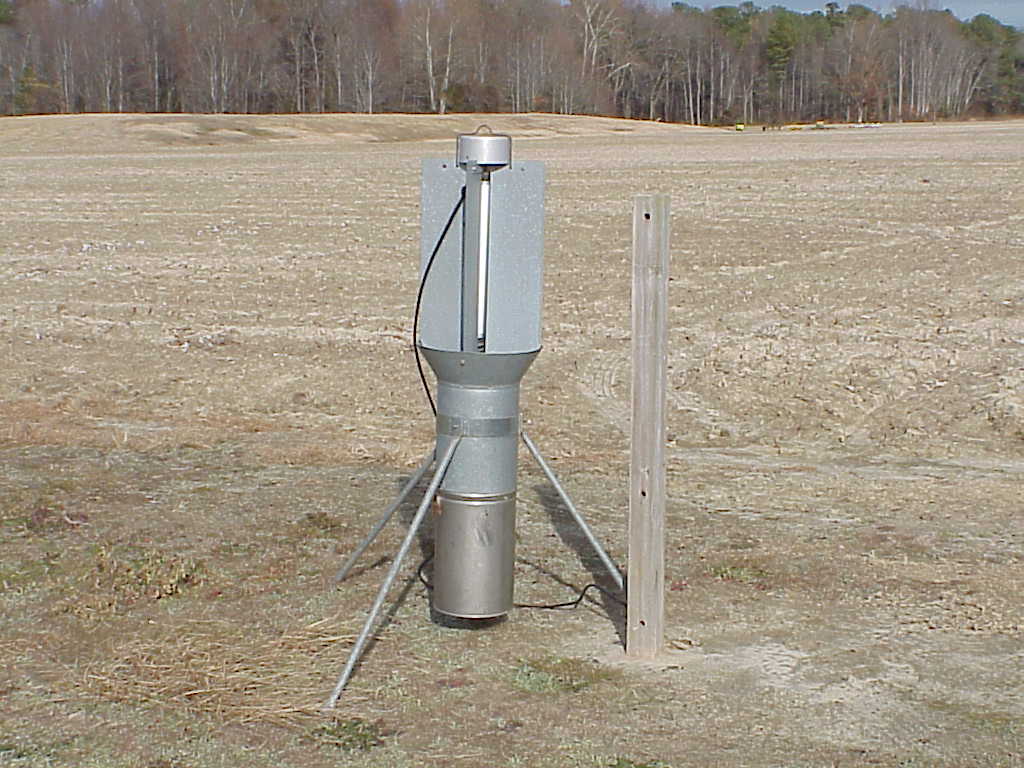
Black light trap in field

Black light trap catches for the week ending July 24, 2014

Nightly average catches of corn earworm moths in local black light traps were:  Charles City=18.5; New Kent=8.0; Warsaw=1.0; Essex=zero; Petersburg=1.1; Eastern Shore AREC/Painter=zero; Hampton Roads AREC/Virginia Beach=zero; Southampton=3.0; Sussex = 1.9; Suffolk=2.5.

Means per night for brown marmorated stink bug were:  Charles City=1.3; New Kent=zero; Warsaw=0.7; Essex=zero; Petersburg=26.9; Eastern Shore AREC/Painter=zero; Hampton Roads AREC/Virginia Beach=zero; Southampton=zero; Suffolk=zero.  Thank you to our trap operators for their reports this week:  John Allison, Mary Beahm, Keith Balderson, Mark Kraemer, Helene Doughty, Chris Drake, Kelvin Wells, and Ames Herbert and his entomology crew.

IMPORTANT—New Name and Transitioning to an Updated Delivery System

After 12+ years, the Virginia Ag Pest Advisory has been ‘modernized’. As of this week, it will be transitioned to a new format, powered by WordPress and MailChimp software. We are also adding new authors to cover crop updates so are changing our name to the Virginia Ag Pest and Crop Advisory.

As with the old system, you will still receive weekly emails containing important advisories on your mobile or desktop device, and as before, you can scroll the titles and select only those that are important to you. Normal advisories will be delivered each Friday at 1 am and available for reading first thing on Friday mornings. And as before, there is an ‘Urgent’ option that will be used to provide any advisories that need immediate attention.

In addition, all advisories will be posted to the new Blog site: https://agpestadvisoryvaes.wp.prod.es.cloud.vt.edu. You may want to ‘bookmark’ this url. If you are not currently on the old Virginia Ag Pest Advisory email recipient list and want to be added, the Blog site provides an easy way for you to do that.

We hope you will be pleased with our new advisory system.

Thanks,
Ames Herbert